

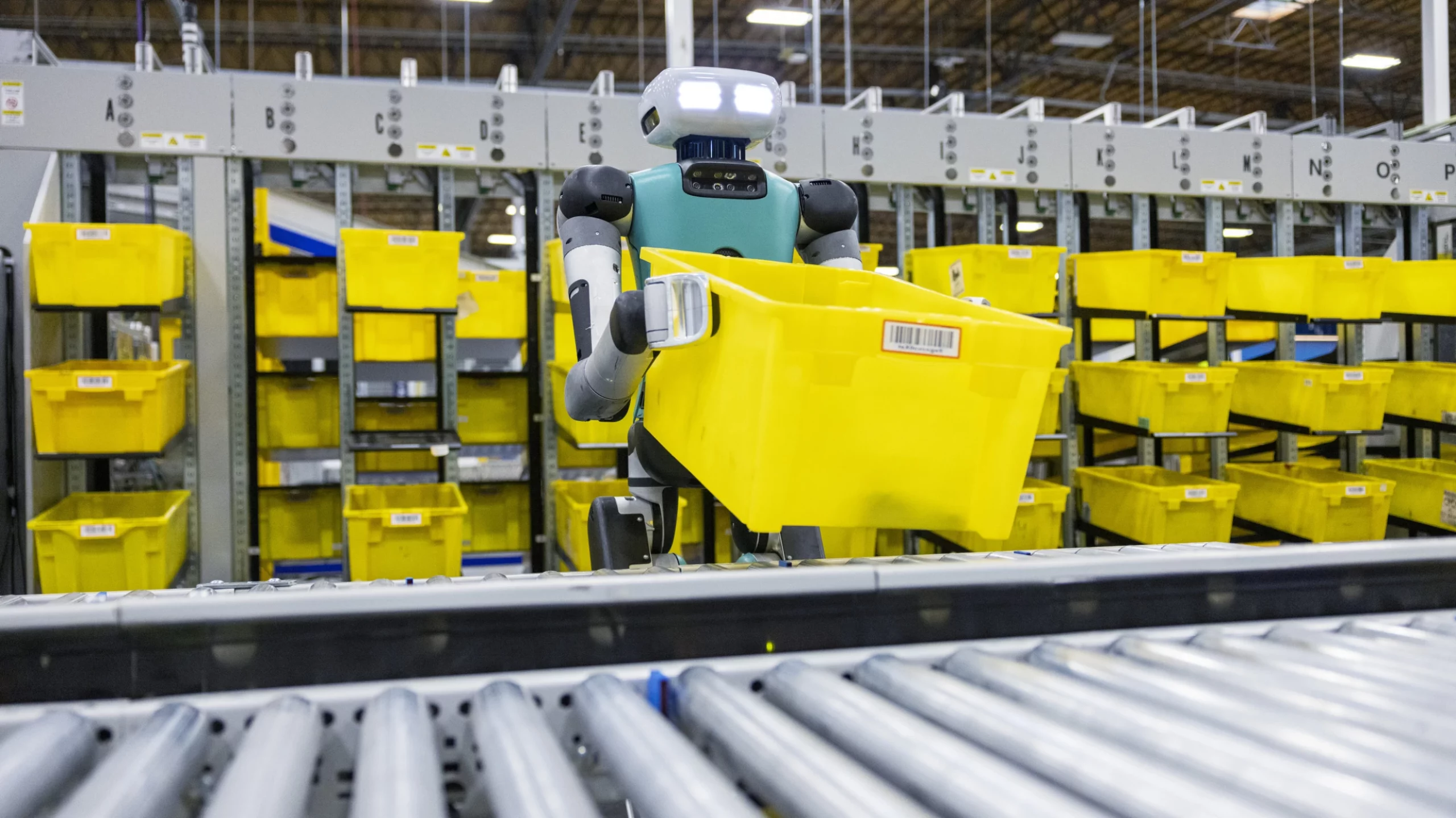
Amazon attracted about $126 billion (£94 billion) of peak demand for its bond sale on Tuesday, one of the largest ever for a corporate offering, in an indication of continued strong demand for debt from large tech companies amid broader economic turbulence. The e-commerce and cloud computing giant is planning to offer as many as 11 tranches on the US high-grade debt market, ranging from two to 50 years, and is also marketing an eight-part euro-denominated bond sale this week. This comes as Amazon ramps up its capital expenditures to a staggering $200 billion this year, with the bulk directed toward artificial intelligence (AI) infrastructure, including custom AI chips, robotic systems, and low Earth orbit satellites.
Massive Bond Demand
The $126 billion in orders represents one of the highest demand levels for corporate debt in history, rivaling Oracle’s $129 billion in February and Meta’s $125 billion in October 2023. This surge in investor enthusiasm for tech-issued bonds underscores a broader trend: large technology companies are increasingly turning to debt markets to fund their ambitious AI expansions, even as economic uncertainties persist. Amazon raised $15 billion last November in its first US bond sale in three years, while Google parent Alphabet raised more than $30 billion in issuance across dollar, sterling, and Swiss franc denominated debt last month. The bonds are typically used to finance capital-intensive projects such as data centers, cloud infrastructure, and cutting-edge research.
Analysts note that tech companies have become some of the largest issuers in the investment-grade bond market, partly because their cash flows remain robust. However, the level of demand for Amazon’s offering — which included maturities from two to 50 years — suggests that investors are comfortable locking in relatively high yields from a company with a strong credit profile. Amazon’s debt is rated Aa3 by Moody’s and AA- by S&P, reflecting its solid financial standing. The proceeds will likely be used to support its massive cloud computing and AI initiatives, helping the company compete with Microsoft and Google in the race to dominate artificial intelligence.
Amazon's AI Investment Plans
In February, Amazon announced plans to invest $200 billion in capital expenditures this year, a figure that exceeded earlier expectations and caused a brief dip in its share price. The majority of this spending will go toward AI infrastructure, including building out data centers, expanding cloud capacity, and developing custom hardware such as the Trainium and Inferentia chips. Chief Executive Andy Jassy justified the heavy spending, telling investors on a company call, “We’re going to invest to be the leader in this space.” He emphasized that Amazon’s investments are not limited to AI models but also encompass robotics for its fulfillment centers and Project Kuiper, a constellation of low Earth orbit satellites designed to provide global broadband.
Amazon’s AI efforts span multiple fronts. Its cloud division, Amazon Web Services (AWS), offers AI services like Bedrock and SageMaker, which allow companies to build and deploy generative AI models. Meanwhile, Amazon is developing its own foundation models, such as the Alexa large language model (LLM), to power next-generation virtual assistants. The company also sees AI as critical to its e-commerce operations, using predictive algorithms for inventory management, personalized recommendations, and autonomous delivery drones. This comprehensive approach requires enormous capital outlays, which debt markets help finance without diluting existing shareholders.
Comparison with Competitors
Amazon is not alone in its AI spending spree. Google parent Alphabet has committed to roughly $75 billion in capital expenditures for 2025, while Microsoft has similarly invested tens of billions in AI data centers. However, Amazon’s $200 billion figure is significantly larger, raising questions about whether the company can generate timely returns. Oracle, Meta, and Alphabet have all used debt markets to fund their AI ambitions. Oracle drew $129 billion in bond orders in February, while Meta raised $125 billion in October and $10 billion just weeks ago. The bond sales allow these companies to secure low-cost financing while maintaining their cash reserves for other strategic moves, such as acquisitions or stock buybacks.
Investors have been scrutinizing the ROI of AI investments more closely this year. The initial euphoria around generative AI has cooled somewhat as companies struggle to monetize their deployments. For instance, while AI has boosted AWS’s revenue growth, it is still a relatively small portion of the total. Amazon’s commitment to spending $200 billion suggests a long-term bet that AI will transform virtually every industry. The company’s historical success with capital-intensive ventures, such as building a global logistics network from scratch, lends credibility to its strategy, but the patience of investors may be tested.
Investor Sentiment and Returns
Despite the slowdown in tech stocks earlier this year, Amazon’s bond sale saw overwhelming demand, indicating that debt investors remain confident in the company’s ability to repay. The bond market often offers a more nuanced view than equity markets, as bondholders care primarily about cash flow and balance sheet strength. Amazon’s operating cash flow was over $140 billion in the trailing twelve months, providing ample coverage for its debt obligations. However, if the AI investments do not generate expected revenue growth, the company could face pressure to cut spending or raise more capital.
Amazon’s capital expenditure figures include long-term projects like Project Kuiper, which requires launching thousands of satellites. Such projects have a multi-year horizon before generating revenue, explaining why the company is turning to long-dated bonds of up to 50 years. These ultra-long bonds appeal to pension funds and insurers looking for predictable returns. The euro-denominated tranche also diversifies Amazon’s investor base, reducing reliance on US buyers and hedging currency risks. The tech giant’s willingness to tap European markets mirrors a trend where US companies seek funding from international investors.
The Broader Tech Debt Trend
The wave of large bond offerings from tech giants is reshaping the corporate debt landscape. Years of low interest rates had prompted companies to issue debt cheaply, but even as rates have risen, investor demand remains strong for high-quality issuers. Amazon, Meta, Oracle, and Alphabet are among the most heavily traded bonds, with liquidity that appeals to institutional investors. The average coupon on Amazon’s recent bonds is around 4-5%, which in the current environment is competitive. Moreover, the proceeds help these firms maintain their investment-grade ratings while engaging in massive spending.
As AI continues to unfold, the need for data centers, specialized chips, and advanced networking equipment will only increase. Amazon alone is expected to spend over $1 trillion on AI infrastructure over the next decade, according to some estimates. Debt markets provide a flexible and efficient way to fund this growth without sacrificing financial discipline. Other companies, including Nvidia, Tesla, and Apple, have also used bonds to finance expansions, though Apple famously relies on debt for stock buybacks and dividends rather than capital expenditure. The current trend suggests that bond offerings will remain a vital tool for tech companies pursuing AI dominance.
Amazon’s decision to tap the bond market again, just months after its November 2024 sale, reflects the urgency of its AI ambitions. The company is betting on technologies that could reshape its entire business: from more efficient logistics to personalized customer experiences and enterprise cloud services. With interest rates stabilizing and investor demand high, Amazon is taking advantage of favorable conditions to lock in financing for years to come. Whether these massive investments will pay off remains to be seen, but the bond market’s response signals that many investors are willing to back the company’s vision.
Source:Silicon UK News