

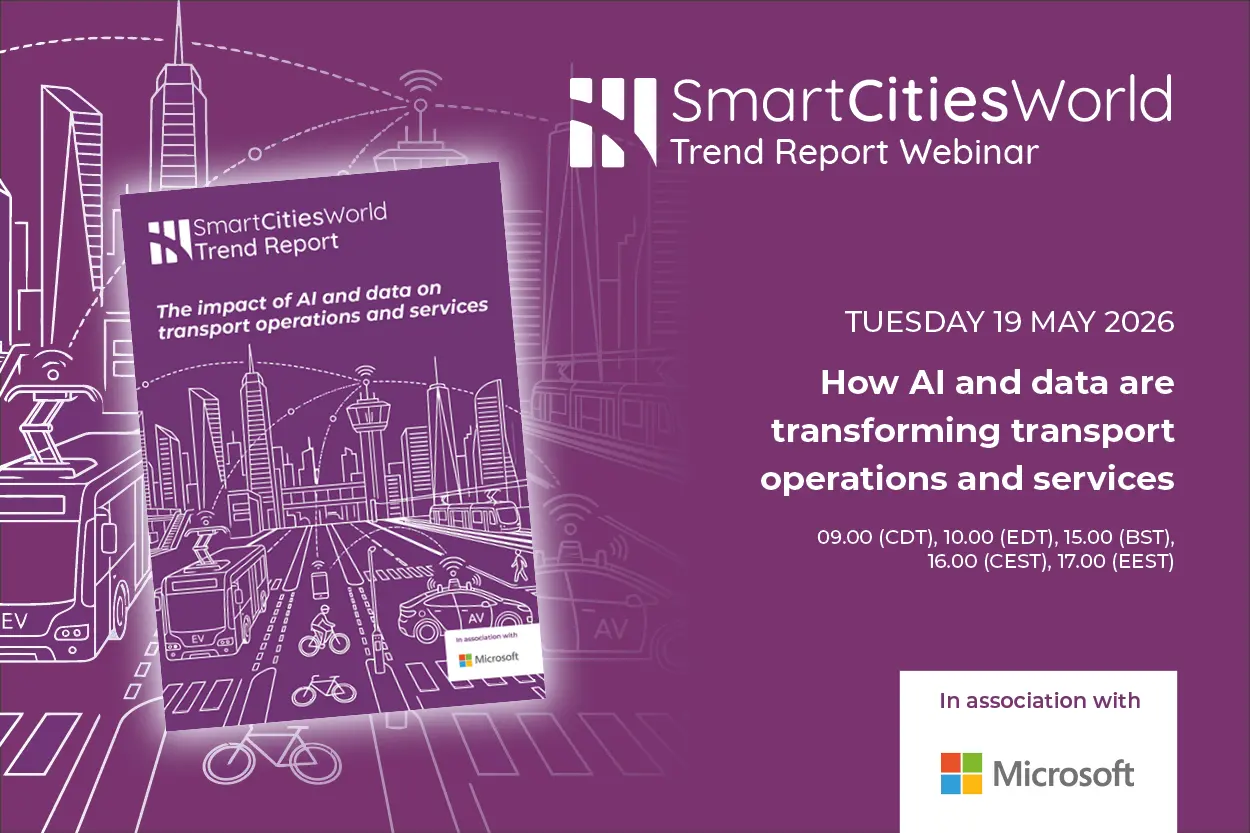
Artificial intelligence and data-driven technologies are rapidly reshaping the landscape of urban transport and infrastructure management. As cities grapple with increasing populations, climate challenges, and the need for efficient services, AI offers powerful tools to optimize operations, enhance resilience, and improve quality of life. A recent trend report webinar brought together experts from around the globe to discuss how these innovations are being implemented in practice, with a focus on transport operations and services.
The Role of AI and Data in Modern Transport
Transport agencies are turning to AI to improve everything from traffic flow to predictive maintenance. However, as Katherine Flesh of Microsoft points out in the webinar, the greatest opportunities depend on strong data foundations, workforce readiness, and responsible governance. Without clean, accessible, and well-managed data, AI models cannot deliver accurate insights. Agencies must invest in data infrastructure and ensure staff are trained to work with AI tools. Ethical considerations around privacy and bias are also paramount, requiring clear policies and oversight.
Digital twins are emerging as a key application of AI in urban infrastructure. A digital twin is a virtual replica of a physical system—such as a city’s transport network, energy grid, or water system—that uses real-time data to simulate and optimize performance. By creating a digital twin of a city’s assets, planners can test scenarios, predict failures, and make informed decisions without disrupting real-world operations. For example, a digital twin of a traffic system can simulate the impact of new signal timings or lane configurations, helping to reduce congestion and emissions.
Digital Twins: Transforming Urban Infrastructure
The webinar highlighted how AI-powered digital twins are transforming urban infrastructure management. These tools allow cities to improve efficiency, resilience, and sustainability simultaneously. For instance, by combining building data, sensor feeds, and geospatial information, a digital twin can help a city manage energy consumption, monitor air quality, and coordinate emergency responses. The potential is immense, but realizing it requires investment in data integration and computing power.
One notable example comes from the city of Sunderland, which is repositioning itself as a leading smart city. According to the latest SmartCitiesWorld City Profile, Sunderland is using digital infrastructure and low-carbon innovation to build a resilient, future-focused economy. The city has deployed a range of smart technologies, including IoT sensors and data analytics platforms, to improve services like waste collection, public lighting, and transport. A key focus is on data readiness: ensuring that the city’s systems can generate and share data in a standardized way to enable AI applications. Sunderland’s approach demonstrates that data groundwork is essential before deploying advanced AI tools.
City Profiles in Focus: Sunderland and Dublin
Dublin is another city featured in the SmartCitiesWorld City Profiles, innovating to improve experiences and services for its communities. The Irish capital has implemented several digital twin projects aimed at traffic reduction and economic growth. For example, Dublin’s digital twin of its transport network helps planners understand commuter flows and optimize public transport routes. The city is also using data to reduce car usage by promoting active travel and improving pedestrian experiences. These initiatives are part of a broader strategy to create a more sustainable, liveable urban environment.
Both Sunderland and Dublin highlight a common theme: the importance of collaboration between city authorities, technology providers, and citizens. Building a smart city is not just about deploying gadgets; it requires a shared vision and inclusive governance. Cities that succeed are those that engage communities, explain the benefits of data use, and address concerns about privacy and security.
The Return of Rail and Strategic Infrastructure
Another fascinating case study comes from Kansas City, where the streetcar system has had a transformative effect. Tom Gerend, executive director of the Kansas City Streetcar Authority, explained how the return of rail has reconnected downtown, unlocked riverfront development, and reshaped the city’s growth story. The streetcar is more than a transport mode; it is a catalyst for urban renewal. By providing reliable, attractive public transport, the streetcar has spurred private investment in housing, retail, and office spaces along its route. This example illustrates how strategic infrastructure investment can drive economic development while reducing car dependency.
Strategic procurement is another tool that cities can use to build resilience and sustainability. Sam Markey, founder of Recurve, argues that procurement—the process by which cities purchase goods and services—is one of the most underused levers for achieving long-term climate impact. By specifying sustainability criteria in contracts, cities can encourage suppliers to adopt greener practices, support local businesses, and create jobs. For example, when buying electric buses, a city might require that the batteries be recycled or that the manufacturer uses renewable energy. Such procurement decisions can accelerate the transition to a low-carbon economy.
Smart Lighting and Cybersecurity
Smart lighting is another area where cities are making progress. The webinar series Cities Thriving on Lighting explored how global cities are approaching smart lighting and the related cybersecurity risks. Streetlights are becoming a key part of urban digital infrastructure, hosting sensors, cameras, and communication nodes. By converting existing streetlight networks into secure, interoperable, and future-proof assets, cities can enhance public safety, reduce energy costs, and support other smart city applications. However, the increased connectivity also introduces cybersecurity vulnerabilities. Cities must ensure that lighting systems are designed with security in mind, using encryption, regular updates, and access controls.
The second episode of Cities Thriving on Lighting delved deeper into the technology and considerations behind this transformation. Speakers emphasized the importance of open standards and interoperability to avoid vendor lock-in and enable innovation. As cities deploy more connected devices, they need to think holistically about data management and security.
Preparing for AI: Data Foundations and Governance
A recurring theme throughout the webinar and associated reports is the need for robust data foundations. Before AI can deliver value, cities must invest in data collection, storage, quality, and accessibility. This includes establishing data governance frameworks that define who can access data, how it can be used, and how to protect privacy. Microsoft’s Katherine Flesh stressed that workforce readiness is equally critical. Agencies need to train staff not only in technical skills but also in ethical AI practices. Responsible governance ensures that AI is used to benefit society, not to reinforce biases or infringe on rights.
The Ecomondo conference also contributed to the conversation, highlighting priorities for healthier, more sustainable cities. The SmartCitiesWorld Summit was described as a valuable platform for sharing practical solutions and building new connections. Such events facilitate the exchange of best practices, enabling cities to learn from each other’s successes and failures.
In conclusion of the article, it is clear that AI and data are not just buzzwords but powerful tools that are already changing how cities operate. By combining visionary leadership, strategic investments, and responsible governance, urban areas can harness these technologies to create more efficient, resilient, and sustainable transport systems. The examples from Sunderland, Dublin, Kansas City, and others offer a roadmap for cities worldwide. The journey is complex, but the potential rewards—reduced emissions, better mobility, improved quality of life—are immense. As data foundations strengthen and AI matures, the transformation of transport operations and services will only accelerate.
Source:Smart Cities World News