

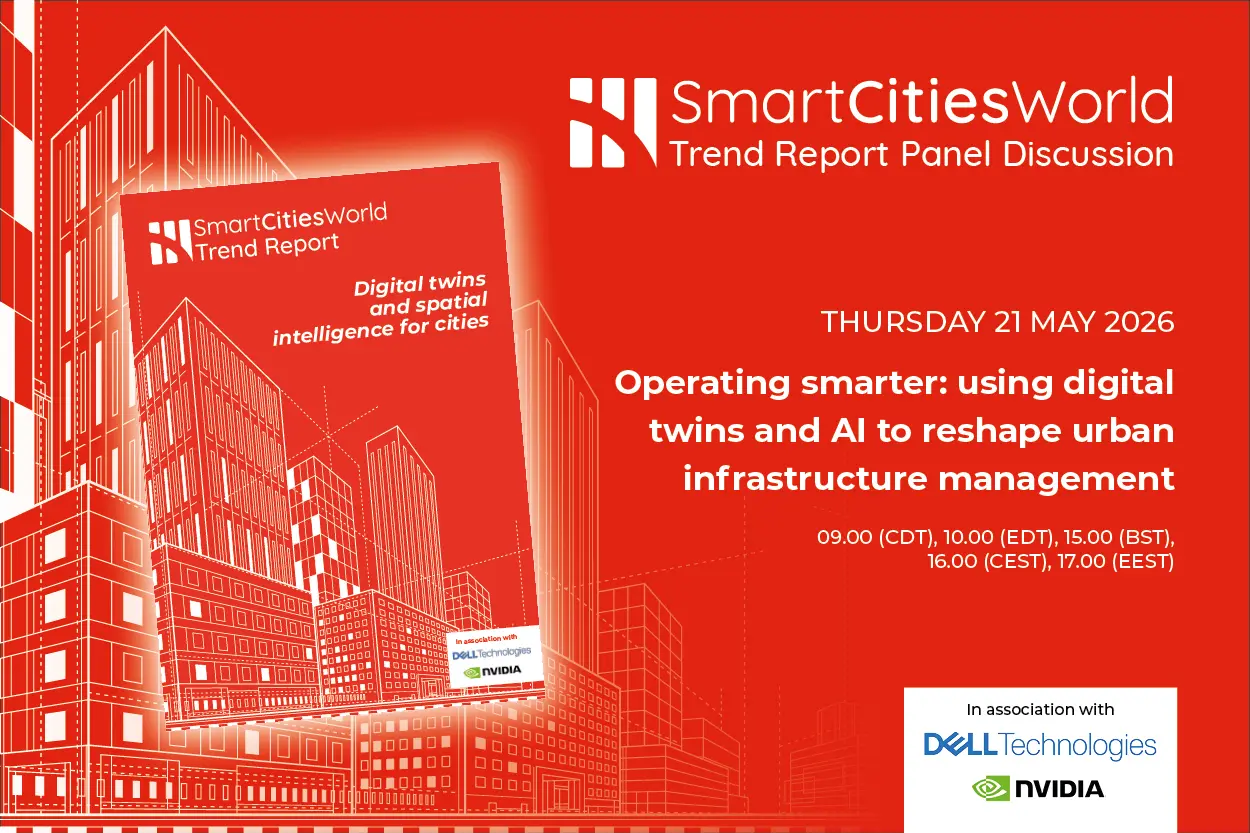
In a recent panel discussion at a major smart city summit, experts convened to explore how cities can move toward a more strategic, risk-based approach to infrastructure resilience. The session, titled "Operating Smarter: Using Digital Twins and AI to Reshape Urban Infrastructure Management," delved into the transformative potential of digital twins and artificial intelligence for managing complex urban systems. As cities face increasing pressures from climate change, population growth, and aging infrastructure, the need for innovative, data-driven solutions has never been more urgent.
Understanding Digital Twins in Urban Contexts
A digital twin is a virtual replica of a physical asset, system, or process that uses real-time data to simulate, analyze, and optimize performance. In the context of urban infrastructure, digital twins allow city planners to model everything from traffic flows and energy grids to water networks and building operations. By creating a dynamic, digital counterpart, decision-makers can run simulations, predict failures, and test interventions without disrupting real-world operations. This capability is especially valuable for infrastructure resilience, where proactive maintenance and rapid response can prevent costly outages and improve public safety.
The Role of AI in Enhancing Digital Twins
Artificial intelligence supercharges digital twins by enabling predictive analytics, pattern recognition, and automated decision-making. Machine learning algorithms can analyze historical data and sensor feeds to identify anomalies, forecast demand, and recommend optimal resource allocation. For example, an AI-powered digital twin of an energy system can predict peak load periods and suggest adjustments to renewable generation, storage, or demand-side management. Similarly, in transportation, AI can model congestion patterns and test traffic light timing changes before implementation. The combination of digital twins and AI creates a powerful feedback loop where real-world data continuously refines virtual models, leading to more accurate and effective urban management.
Energy System Transformation Through Digital Twins and AI
One key topic discussed was how local authorities can shape energy systems through renewables, flexibility, storage, and smarter networks. Digital twins of district energy networks allow cities to integrate solar, wind, and other renewable sources while balancing supply and demand in real time. AI algorithms can optimize the charging and discharging of battery storage systems, reducing reliance on fossil fuel peaker plants. Furthermore, digital twins can simulate the impact of electric vehicle adoption on the grid, helping planners anticipate infrastructure upgrades. The panel highlighted that cities that invest in these technologies can not only reduce carbon emissions but also cut costs and improve energy equity by targeting investments where they are most needed.
Strategic Procurement as a Tool for Resilience
A panelist argued that strategic procurement is one of cities' most underused tools for building resilience, local capacity, and long-term climate impact. By designing procurement processes that prioritize lifecycle costs, sustainability, and innovation, cities can drive demand for smarter infrastructure solutions. For instance, incorporating digital twin requirements into bids for new buildings or transportation systems ensures that data integration and long-term manageability are built in from the start. The expert emphasized that procurement should be viewed not just as a transactional process but as a strategic lever to shape urban futures. This perspective aligns with the broader shift toward outcomes-based contracting, where vendors are rewarded for performance and resilience outcomes rather than just upfront deliverables.
Case Study: Sunderland's Smart City Transformation
One city profile shared during the discussion focused on Sunderland, UK, which is repositioning itself as a leading smart city. The city is leveraging digital infrastructure and low-carbon innovation to build a resilient, future-focused economy. Sunderland has deployed a city-wide digital twin that integrates data from sensors, traffic cameras, and utility meters to create a holistic view of urban operations. AI models help optimize street lighting, waste collection, and building energy use. The city has also established a living lab where startups and researchers can test new technologies in real-world conditions. This approach has attracted investment, created jobs, and improved quality of life for residents. Sunderland's journey illustrates how even smaller cities can embrace digital twins and AI to compete globally.
Case Study: Dublin's Community-Centered Innovation
Another city profile highlighted Dublin, Ireland, which is innovating to improve experiences and services for its communities. Dublin has developed several digital twin projects aimed at reducing traffic congestion and fostering economic growth. For example, a digital twin of the city center allows planners to simulate pedestrianization, cycle lanes, and public transport changes before implementation. AI analytics from traffic data help identify accident hotspots and inform road safety measures. Dublin has also used digital twins to optimize energy use in public buildings, reducing emissions and operating costs. The city's approach emphasizes community engagement, ensuring that technological solutions address the real needs of residents. Both Sunderland and Dublin demonstrate that digital twins and AI are not just about efficiency but also about inclusivity and sustainability.
Cybersecurity and Smart Lighting Networks
The panel also addressed the growing cybersecurity risks associated with smart city infrastructure, particularly lighting networks. As cities upgrade streetlights to LED and add sensors, these networks become vulnerable to cyberattacks that could disrupt services or compromise data. The discussion highlighted the importance of designing secure, interoperable, and future-proof infrastructure from the outset. This includes implementing encryption, regular security audits, and strict access controls. One expert noted that cities must treat cybersecurity as a core component of digital twin and AI deployments, not an afterthought. A separate session on smart lighting explored how cities are approaching these risks and building trusted systems.
AI in Transport: Data Foundations and Governance
Transport agencies are increasingly turning to AI to improve services, but the greatest opportunities depend on strong data foundations, workforce readiness, and responsible governance. A panelist from the technology sector emphasized that AI cannot succeed without clean, well-managed data. Cities need to invest in data collection, integration, and quality assurance before deploying AI models. Furthermore, staff must be trained to work alongside AI tools, understanding their limitations and ethical implications. Governance frameworks should ensure transparency, fairness, and accountability—especially when AI is used for decision-making that affects people's lives, such as traffic enforcement or public transport scheduling. The expert called for a human-centered approach where AI augments rather than replaces human judgment.
Connecting People, Data, Infrastructure, and Investment
The summit demonstrated that the future of cities will be defined by the ability to connect people, data, infrastructure, and investment into coherent, place-based strategies. Digital twins and AI are powerful enablers, but technology alone is not enough. Success requires collaboration across sectors, long-term political commitment, and inclusive planning processes. Cities that have made progress, such as Sunderland and Dublin, show that a strategic focus on resilience, sustainability, and equity yields tangible benefits. The panel concluded that the next wave of urban innovation will come from cities that embrace systems thinking—understanding how different infrastructure systems interact—and invest in the data platforms and talent needed to unlock value from digital twins and AI. As more cities adopt these tools, the potential for smarter, more resilient urban infrastructure continues to grow, promising better outcomes for all citizens.
Source:Smart Cities World News