

The smartwatch market in 2026 is more competitive and innovative than ever. Wearable technology has transcended its early role as a simple phone companion to become a comprehensive health, fitness, and productivity hub. With advances in sensors, battery technology, and artificial intelligence, the latest devices can monitor everything from blood glucose levels to sleep apnea, provide real-time coaching during workouts, and even enable satellite messaging when you're off the grid. This guide breaks down the top smartwatches of 2026, examining their standout features, fitness tracking capabilities, and overall value to help you choose the perfect wearable for your needs.
Apple Watch Ultra 3: The Gold Standard for Adventurers
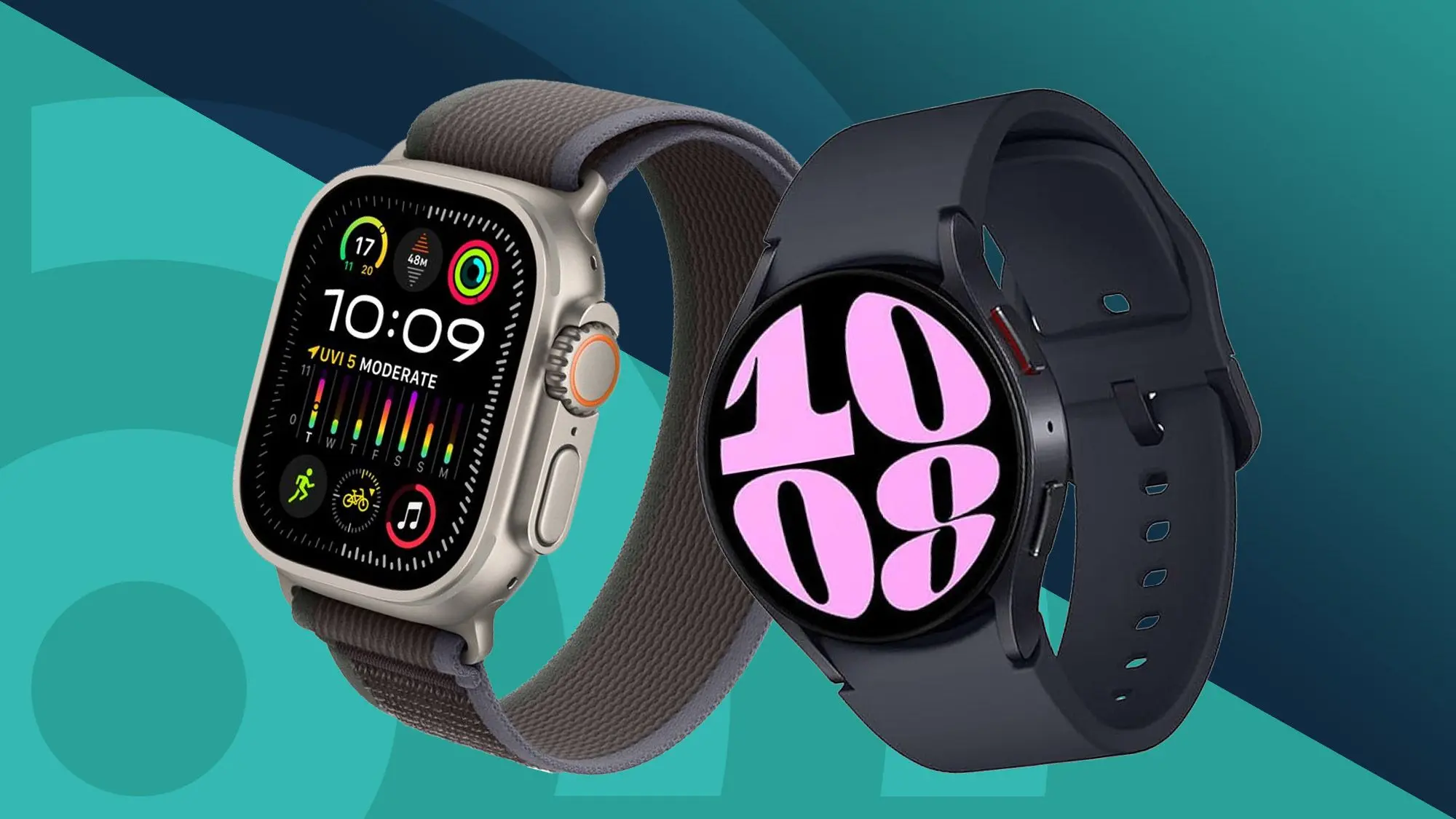
Apple's flagship wearable continues to dominate the premium segment. The Apple Watch Ultra 3 builds on the rugged design of its predecessor with a larger, always-on display that is now even brighter — reaching 3,000 nits for flawless readability under direct sunlight. The new S10 processor powers faster on-device Siri responses and enables more sophisticated health algorithms. For fitness enthusiasts, the Ultra 3 introduces a dual-frequency GPS that maintains accuracy in dense urban canyons and thick forests, plus a new Action Button that can be customized for quick access to workouts, waypoints, or a flashlight.
Health monitoring has received a major upgrade. The Ultra 3 is the first Apple Watch to feature non-invasive blood glucose tracking, using a new optical sensor that measures interstitial fluid. While it does not yet replace traditional finger-prick tests for diabetics, it provides valuable trend data. The watch also includes a body temperature sensor with ovulation tracking, an upgraded heart rate sensor that detects atrial fibrillation more reliably, and a blood oxygen monitor that now works during high-altitude hikes. Battery life reaches 60 hours in normal use and 100 hours in low-power mode, though GPS-only tracking lasts up to 20 hours. The Ultra 3 remains tethered to the iPhone ecosystem, but for Apple users seeking a do-everything adventure watch, it is unmatched.
Samsung Galaxy Watch 7 Pro: The Android Powerhouse
Samsung's latest smartwatch runs Wear OS 5 with One UI Watch 6, offering seamless integration with Android phones — especially Galaxy devices. The Galaxy Watch 7 Pro features a circular Super AMOLED display (1.5 inches, 480x480) protected by sapphire crystal and an armored aluminum case. It is the first watch to incorporate a microLED screen in the Pro model, delivering better contrast and lower power consumption. Under the hood, the Exynos W1000 chipset ensures smooth performance and improved energy efficiency.
Fitness tracking covers over 120 workout types, with automatic detection for the most common activities. New this year is an AI-powered triathlon mode that automatically transitions between swimming, cycling, and running. The BioActive Sensor 3.0 promises more accurate heart rate and stress measurements, along with body composition analysis (skeletal muscle, body fat, and water percentage). Samsung has also partnered with leading medical institutions to bring sleep apnea detection — a feature that received FDA clearance earlier this year. The watch offers a 4-day battery life on average (2 days with always-on display) and supports fast charging that reaches 45% in 30 minutes. The Galaxy Watch 7 Pro is an excellent choice for Android users who want a premium smartwatch with deep ecosystem integration and robust health tracking.
Garmin Fenix 8 Solar: The Ultimate Training Companion
Garmin's Fenix series has long been the benchmark for serious athletes and outdoor explorers. The Fenix 8 Solar refines this formula with a larger 1.4-inch display in a lighter titanium case. The solar charging lens now provides up to 5 additional days of battery life in smartwatch mode, and with solar exposure, you can achieve up to 37 days in battery saver mode. GPS battery life is rated at 89 hours (with solar) — enough for multi-day ultras or thru-hikes.
The Fenix 8 introduces a new multi-band GNSS chip that locks onto GPS, GLONASS, Galileo, and BeiDou simultaneously, resulting in track accuracy within one meter even in challenging terrain. The watch also includes a built-in flashlight (now with red light mode for night vision preservation), topographical maps preloaded for all major regions, and an upgraded altimeter/barometer. Health features have expanded: the Fenix 8 monitors heart rate, Pulse Ox, stress, sleep, and now includes a training readiness score that combines your recovery status, sleep quality, and acute load to advise whether you should train hard or rest. For runners, the watch offers real-time performance metrics like vertical oscillation, ground contact time, and lactate threshold estimates. While the Fenix 8 is bulkier and more expensive than competitors, its dedicated physiological insights and extraordinary battery life make it a must-have for endurance athletes.
Fitbit Surge 2: The Health-First Wearable
Fitbit, now under Google's wing, has repositioned its flagship as a holistic health companion rather than just a fitness tracker. The Surge 2 features a sleek rectangular AMOLED display with a 40% thinner bezel compared to the original. It runs Fitbit OS 6.0 with tighter integration with Google services such as Fitbit Premium (which now includes AI health coaching), Google Wallet, and Google Maps. The watch includes an electrodermal activity (EDA) sensor for stress management, a skin temperature sensor, and a new continuous glucose monitoring system that works with a third-party patch (sold separately) — ideal for pre-diabetics or anyone wanting to optimize their nutrition.
Activity tracking remains comprehensive, with smartTrack for 30+ exercise types and a new fitness age score that provides a single number reflecting your cardiovascular health relative to your biological age. The Surge 2 also includes fall detection and emergency SOS, and its battery lasts up to 12 days on a single charge. Where the Surge 2 excels is in its user-friendly software: the Fitbit Today dashboard presents health trends in a clear, actionable format, and the new AI coach suggests personalized workouts and meal adjustments based on your sleep and activity data. It's the best choice for people who want to improve their overall wellness without feeling overwhelmed by data.
Fitness Tracking Comparison
When it comes to raw fitness tracking accuracy, Garmin leads for GPS precision and advanced running metrics. Apple Watch Ultra 3 holds its own in heart rate and blood oxygen monitoring, and its blood glucose sensor is a game-changer for health enthusiasts. Samsung's Galaxy Watch 7 Pro offers the best integration with Android fitness apps and a solid all-around tracking suite. Fitbit Surge 2 provides the most accessible health insights with its emphasis on stress and sleep. For casual-to-intermediate exercisers, any of these watches will track steps, calories, and workouts reliably. For serious athletes, the Fenix 8 or Ultra 3 offer the depth needed for performance analysis.
Battery Life and Charging
Battery life varies dramatically across these models. The Garmin Fenix 8 Solar is the undisputed champion, lasting weeks without a charge thanks to its solar panel and efficient power management. The Fitbit Surge 2 follows at 12 days, appealing to those who dislike frequent charging. Apple Watch Ultra 3 delivers up to 60 hours, while Samsung Galaxy Watch 7 Pro lasts about 4 days. All four support fast charging, with the Samsung and Apple models reaching over 50% in 30 minutes. Garmin charges slowly but rarely needs it. Consider your daily routine: if you're a light user who doesn't mind charging nightly, any watch works; if you travel or spend extended time away from power, the Fenix or Fitbit are better bets.
Smart Features and Ecosystem
The Apple Watch Ultra 3 is the most intelligent smartwatch when paired with an iPhone, offering seamless call handling, notifications, app ecosystem, and integration with HomeKit and Apple Pay. Samsung Galaxy Watch 7 Pro offers similar convenience for Android users, with Google Assistant, Google Pay, and full access to the Play Store. Garmin Fenix 8 focuses on utility rather than apps — it supports music storage, contactless payments (Garmin Pay), and smartphone notifications, but lacks a rich app store. Fitbit Surge 2 bridges the gap between health and convenience, with Google Wallet, Maps, and Assistant, but still trails behind Apple and Samsung in third-party app support. Voice assistants are available on all but Garmin, though the Fenix can respond to simple commands via Garmin's own voice control.
How to Choose the Right Smartwatch in 2026
Selecting the best smartwatch depends on your primary use case. If you own an iPhone and want a premium, durable device for both fitness and daily life, the Apple Watch Ultra 3 is the obvious choice. Android users who value a polished smartwatch experience with excellent health tracking should choose the Samsung Galaxy Watch 7 Pro. For serious endurance athletes and outdoor adventurers who need weeks of battery life and professional-grade training metrics, the Garmin Fenix 8 Solar is worth every penny. If your priority is holistic health improvement, sleep tracking, and stress management delivered through an intuitive interface, the Fitbit Surge 2 is the most accessible option. Consider also the price: the Fenix 8 and Ultra 3 sit above $800, while the Galaxy Watch 7 Pro and Surge 2 range from $400 to $650. Regardless of your budget, 2026 offers a smartwatch that can transform the way you monitor your health, stay connected, and pursue your fitness goals.
Source:TechRadar News