

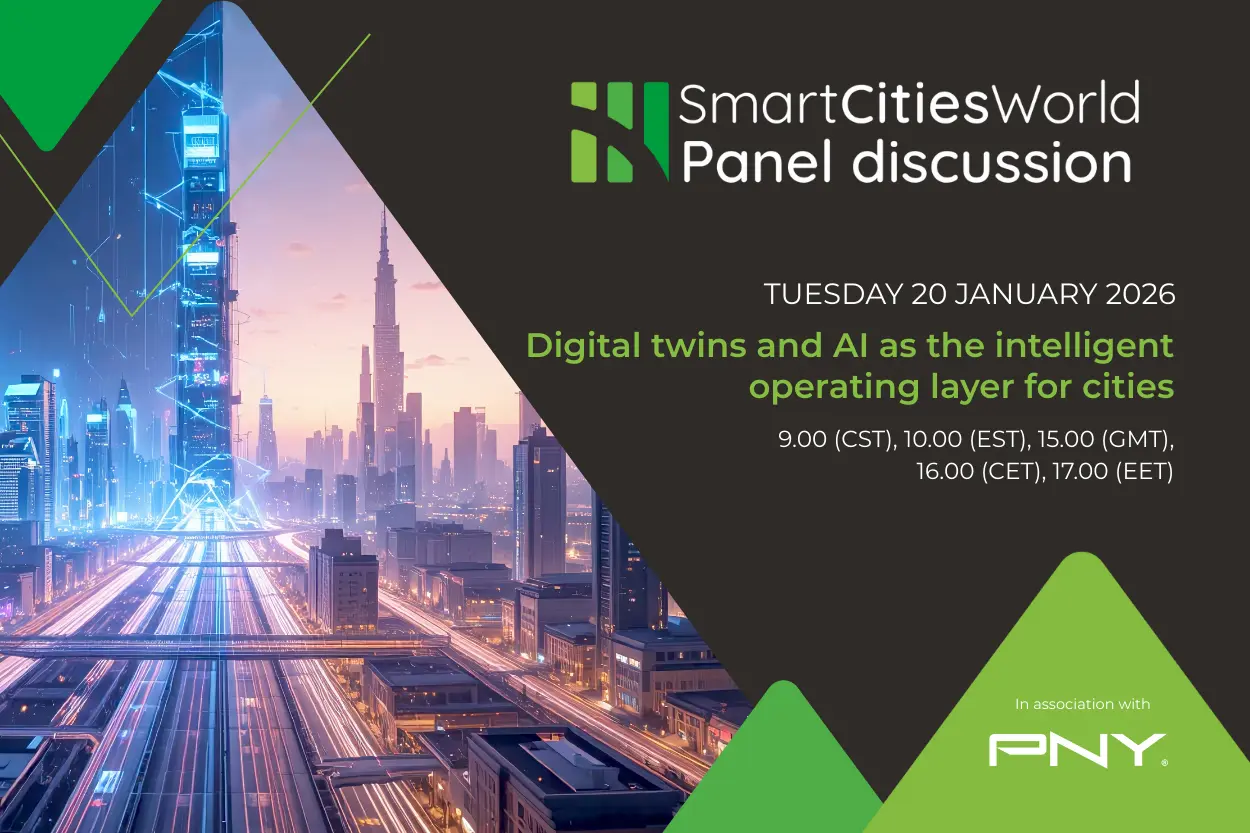
Urban centers worldwide are embracing a new paradigm in city management: the intelligent operating layer enabled by digital twins and artificial intelligence. This convergence of technologies allows cities to create real-time, data-rich replicas of physical infrastructure, enabling unprecedented levels of monitoring, simulation, and decision-making. By integrating building data, sensor networks, and urban systems, AI-powered digital twins are becoming the central nervous system of modern cities.
What Are Digital Twins and Why Do Cities Need Them?
A digital twin is a virtual representation of a physical asset, system, or process that mirrors its real-world counterpart in real time. For cities, this means creating a dynamic model of the entire urban environment—from roads and bridges to energy grids, water systems, and public spaces. When paired with artificial intelligence, digital twins can analyze vast streams of data, identify patterns, predict failures, and recommend actions. This intelligent operating layer empowers city officials to manage complexity, respond to emergencies faster, and plan for long-term sustainability.
The need for such systems has never been greater. Cities face overlapping pressures: climate change driving extreme weather events, aging infrastructure requiring costly upgrades, and growing populations demanding better services. Digital transformation offers a path forward, but it requires a strategic integration of technology, data governance, and cross-sector collaboration. As the SmartCitiesWorld Summit 2026 in London (during London Climate Action Week) highlights, the intersection of these agendas is where practical action can be translated from strategy.
AI-Powered Digital Twins in Practice: Global Examples
Several cities are already demonstrating the power of this approach. Malaysia is emerging as a leader in AI-driven urban innovation. The first Southeast Asian Smart City Expo in Kuala Lumpur showcased projects that leverage digital twins for traffic management, energy optimization, and disaster response. By creating a unified digital model of the city, authorities can simulate the impact of new policies or infrastructure changes before implementation, saving time and resources.
In Europe, Sunderland (UK) is repositioning itself as a leading smart city. The city's digital infrastructure includes a comprehensive digital twin that integrates low-carbon innovation and economic development goals. Sunderland's City Profile from SmartCitiesWorld details how this approach builds a resilient, future-focused economy by attracting tech investment and improving public services. Similarly, Dublin is innovating to enhance community experiences through digital twin projects, traffic reduction initiatives, and economic growth strategies. The Irish capital's City Profile outlines multiple digital twin deployments that help reduce congestion, monitor air quality, and support urban planning.
Quezon City in the Philippines provides another compelling case. After experiencing unexpected extreme rainfall, the city adopted digital twin technology to bolster its resilience measures. As discussed in the Urban Exchange podcast, the virtual model allows real-time monitoring of flood risks, enabling quicker evacuation orders and more effective allocation of resources. This approach is part of a growing trend where cities use AI to anticipate and mitigate the impacts of climate change.
The Technology Behind the Intelligent Operating Layer
At the heart of any digital twin is data—and lots of it. Smart sensor networks placed throughout buildings and infrastructure collect information on temperature, humidity, occupancy, air quality, energy use, and structural integrity. These sensors feed into a central platform where AI algorithms process the data, detect anomalies, and generate insights. For example, a digital twin of a commercial building can identify patterns of energy waste and automatically adjust HVAC systems to reduce consumption. On a citywide scale, such optimizations translate into significant sustainability gains.
Gareth Tang, President of Urban Solutions at ST Engineering, explains how urban AI applications are set to evolve. In a recent interview, he described projects where AI is already making significant impact: predictive maintenance for public transport, automated traffic signal adjustments based on real-time congestion, and early warning systems for infrastructure failures. Tang emphasizes that the key to successful AI deployment lies in the quality of data and the willingness of city departments to share information across silos.
Preparing for AI requires a solid data groundwork, as highlighted in a Sunderland-focused webinar. Cities must first establish robust data collection protocols, ensure interoperability between different systems, and address privacy and security concerns. Only then can the full potential of AI and digital twins be realized. A trend report panel discussion on AI for personalized government services delves into building trust and inclusivity—critical factors for public acceptance of these technologies.
Expanding Use Cases: From Buildings to Entire Urban Systems
Digital twins are not limited to infrastructure. They are also transforming how cities manage public safety, healthcare, and citizen engagement. For instance, smart sensor networks can improve indoor safety by detecting fire hazards, gas leaks, or structural weaknesses early. This situational awareness supports healthier, more secure, and sustainable buildings. When aggregated across a district, such data helps city planners identify broader risk zones and allocate resources more efficiently.
The intelligent operating layer concept extends to mobility. By modeling traffic flows with AI, cities can reduce congestion, lower emissions, and improve emergency response times. Digital twins allow for testing of new transportation policies—such as congestion pricing or bus lane expansions—without disrupting real traffic. Similarly, energy grids benefit from digital twins that balance supply and demand, integrate renewable sources, and predict peak loads.
Challenges and Considerations
Despite the promise, adopting digital twins and AI at city scale is not without hurdles. Data standardization remains a major challenge, as cities often rely on legacy systems from multiple vendors. Privacy concerns also loom large: citizens worry about surveillance and misuse of personal data. Transparent governance frameworks and community engagement are essential to build trust. Additionally, the cost of implementing and maintaining these systems can be prohibitive for smaller cities, though open-source platforms and public-private partnerships are emerging as solutions.
Interoperability is another key issue. For a digital twin to function as an intelligent operating layer, it must integrate data from transportation, utilities, housing, and public services. This requires common data formats and APIs, as well as collaboration across departments that historically operate independently. The SmartCitiesWorld newsletters (both daily and weekly) regularly cover these topics, bringing together the latest news, city interviews, special reports, and guest opinions to keep urban leaders informed.
As the field evolves, sovereign AI—where cities control their own data and AI models—is gaining attention. A podcast episode featuring PNY Technologies' Youssef Nadiri explores this concept, discussing how cities can maintain autonomy while leveraging advanced analytics. This approach aligns with the broader movement toward digital sovereignty and ethical AI.
Looking Ahead: The Future of Intelligent Urban Operations
The trajectory is clear: digital twins and AI will become indispensable tools for city management. Upcoming events like the SmartCitiesWorld Summit 2026 and the Southeast Asian Smart City Expo will continue to showcase innovations and foster collaboration. The city profiles of Sunderland, Dublin, and others serve as blueprints for how to implement these technologies effectively. The on-demand webinars and panel discussions mentioned in the original content—on topics like preparing for AI and personalized government services—provide further learning resources for urban professionals.
In essence, the intelligent operating layer is not a single product but an ecosystem of interconnected technologies and policies. It requires a long-term vision, sustained investment, and a commitment to inclusivity. As cities confront climate change, infrastructure resilience, and digital transformation simultaneously, the ability to simulate, predict, and optimize will separate those that thrive from those that merely survive. The examples from Malaysia, Sunderland, Dublin, and Quezon City demonstrate that progress is already underway, and the lessons learned will shape urban development for decades to come.
Source:Smart Cities World News