

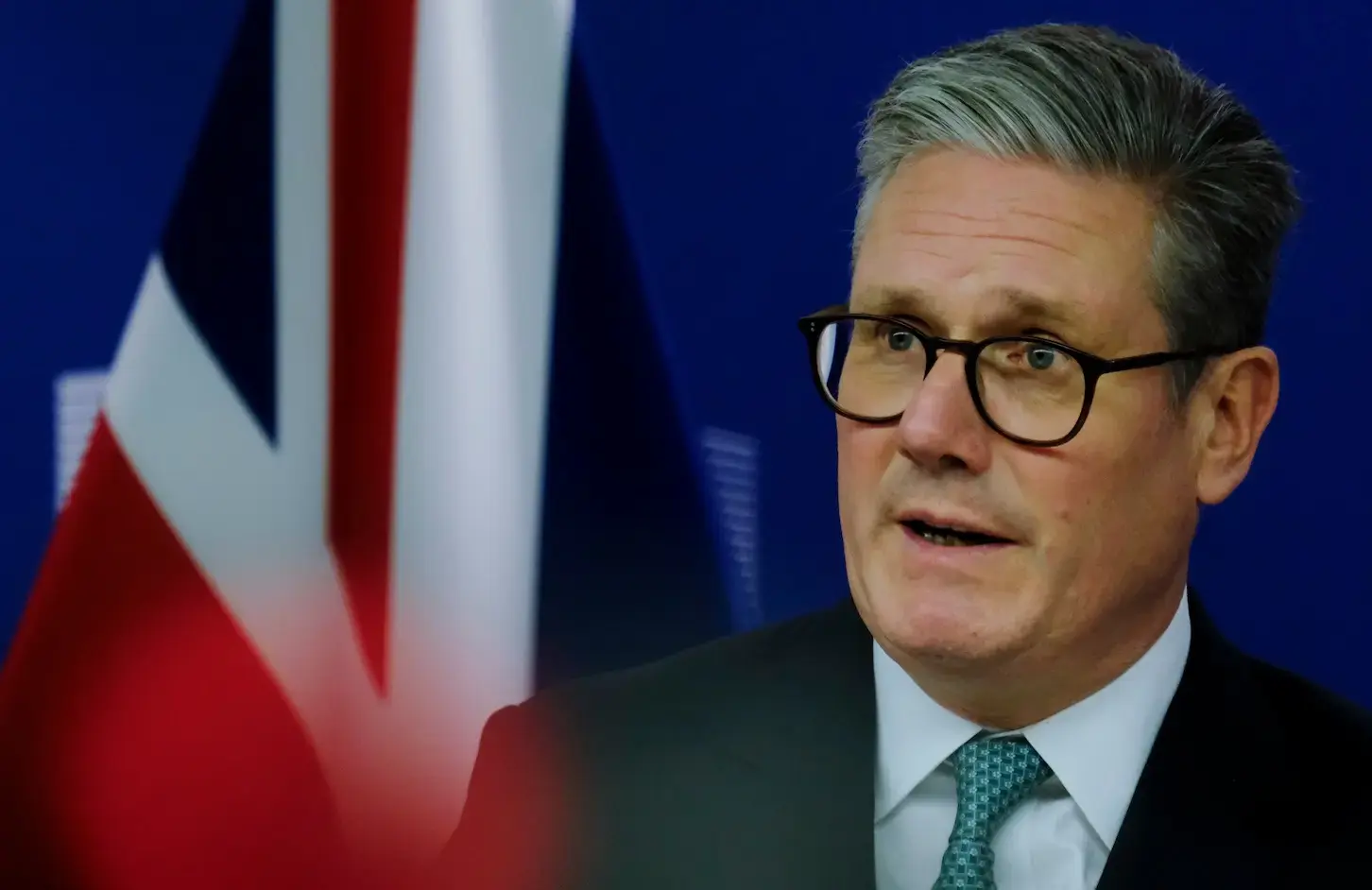
When Keir Starmer took the helm of the Labour Party in April 2020, the UK was in the grip of the pandemic, and the tech sector was facing unprecedented challenges and opportunities. Four years on, as the country looks toward the next general election, the question of how the technology industry will remember him is more than just a political curiosity. It is a reflection of how well the opposition has understood the drivers of digital innovation, the needs of startups, and the long-term health of the UK as a global tech hub.
Starmer, a former Director of Public Prosecutions and a human rights lawyer, brought a different style of leadership to Labour, one that emphasised competence, stability, and a return to centrist values. For a tech sector that craved certainty after years of Brexit turmoil and regulatory flux, his approach offered a contrast to the more interventionist rhetoric of his predecessor, Jeremy Corbyn. But the substance of his policies and the actual engagement with tech stakeholders has been a mixed bag, leaving many in the industry uncertain about what a Starmer premiership would truly mean for them.
Background and early signals
Keir Starmer's early forays into tech policy were cautious. The party, still scarred by the 2019 election defeat, focused on rebuilding trust with the business community. Starmer appointed figures like Rachel Reeves as Shadow Chancellor and Lucy Powell as Shadow Digital Secretary, signalling a more pro-business approach. In 2021, Labour published its ‘Digital Manifesto’, which outlined plans for a state-backed ‘British Digital Innovation Fund’ and a focus on closing the digital skills gap. The response from tech leaders was polite but reserved. Many noted that the manifesto lacked specific targets and a clear delivery mechanism.
One of the most significant moments came during the COVID-19 crisis, when Labour pushed for better digital infrastructure in schools and helped campaign for the extension of free school meals vouchers, which relied on digital platforms. Starmer himself used technology effectively during the lockdowns, hosting virtual town halls with business leaders, but the substance of his digital policy remained vague. Critics argued that while he understood the importance of tech, he did not have a transformative vision for the sector.
Policy positions: AI, regulation, and innovation
Starmer’s Labour has been broadly supportive of the UK’s ambition to be a global leader in artificial intelligence. The party has advocated for a ‘pro-innovation’ regulatory framework, echoing the government’s own approach under the AI Safety Summit. However, Labour has stressed the need for stronger safeguards around bias, accountability, and the ethical deployment of AI. In a 2023 speech, Starmer called for an ‘AI Bill of Rights’ that would enshrine protections for citizens, a move that won praise from civil society groups but raised eyebrows among some tech founders who feared overregulation.
On research and development, Starmer has committed to increasing R&D spending to 3% of GDP by 2030, matching the ambition set by the current Conservative government. This pledge, alongside a promise to ‘upgrade the industrial strategy’ to support high-growth sectors, has been welcomed by the science and tech community. Yet the details of how this will be funded—and whether it will survive the inevitable fiscal tightening after the election—remain unclear. The lack of a fully costed plan means that some in the sector remain sceptical about Labour’s ability to deliver on its innovation promises.
Brexit, talent, and the startup ecosystem
One of the most persistent challenges for UK tech has been the loss of access to the European Union’s Horizon Europe research programme, and the broader difficulties of hiring talent from the continent. Starmer has been vocal in his criticism of the government’s approach to Brexit, promising to ‘make Brexit work’ by negotiating a closer relationship with the EU. His proposals include a mutual recognition of professional qualifications and a youth mobility scheme, both of which could help tech companies recruit engineers and data scientists from Europe.
The startup community has taken note. Founders and venture capitalists have long argued that the UK’s ability to attract global talent is its single greatest competitive advantage. When Starmer said in early 2024 that he would prioritise ‘an immigration system that works for the economy’, the response from groups like Tech Nation was cautiously optimistic. But the opposition’s reluctance to fully endorse freedom of movement—even for skilled workers—has left many wondering whether the changes would be enough to reverse the exodus of talent to competitors like Berlin, Paris, and Amsterdam.
On the domestic front, Labour has promised to simplify the patent box tax regime and expand the Enterprise Investment Scheme (EIS) to channel more capital to early-stage companies. These are policies that resonate with angel investors and startup founders, but again, the details are sparse. The party has also pledged to mandate full-fibre broadband for all premises by 2030—a target that is considered ambitious but realistic if backed by substantial public investment.
Engagement with the sector
During his tenure as opposition leader, Starmer has held meetings with representatives of major tech firms, including Google DeepMind, Tesla, and several UK unicorns. His team has also engaged with organisations such as Coadec, TechUK, and the Startup Coalition. However, the interactions have often been described as ‘listening tours’ rather than strategic partnerships. Some in the sector have complained about a lack of direct involvement from Starmer himself, with policy work often delegated to shadow ministers.
There was a notable moment in 2022 when a leaked memo from a senior Labour official suggested that the party would seek to ‘regulate Big Tech aggressively’ if elected, including breaking up monopolies and imposing a ‘digital services tax’. The memo caused consternation among some tech investors, though Starmer quickly distanced himself from the proposal, insisting that Labour would take a ‘balanced approach’. The episode highlighted the tension inside the party between the traditional left, which views corporate power with suspicion, and the modernising faction that sees tech as a driver of growth and jobs.
Key challenges and criticisms
Perhaps the biggest criticism of Starmer from the tech perspective is the lack of a bold, coherent narrative. Unlike Boris Johnson, who championed digital infrastructure as part of his ‘leveling up’ agenda—however imperfectly—or Rishi Sunak, who has put AI safety at the centre of his premiership, Starmer has not made technology a defining issue of his leadership. His focus on ‘national renewal’ and public service reform has been broad, and tech has often been treated as a subsidiary theme rather than a priority.
Another point of contention is the Labour party&rsquos relationship with the gig economy and platform giants. Starmer has vocally supported better workers’ rights, including a proposal to extend sick pay and holiday entitlements to gig workers. While this is popular with trade unions, some tech startups have warned that it could stifle innovation in the on-demand economy and increase costs for early-stage companies. The challenge for Starmer will be to balance the need for worker protections with the sector’s demand for flexibility—a nuance that his critics argue has been lost in the party’s rhetoric.
The verdict: What the future holds
How will UK tech remember Keir Starmer? In part, the answer depends on what happens next. If Labour forms the next government and delivers on its promises—more R&D spending, a smoother immigration regime, smarter regulation—his legacy could be one of steady progress. The tech sector values predictability, and a competent, business-friendly government could provide exactly that after years of chaos. Many VCs and founders have privately expressed relief at the thought of a Labour government if it means an end to the infighting and policy swings of the past decade.
But if a Starmer government fails to deliver—or delivers policies that are seen as overregulatory or anti-innovation—then the memory will be very different. The UK faces stiff competition from the US, China, and the EU, and the window of opportunity to cement its position as a top-tier tech hub is narrowing. Starmer has the chance to be remembered as the leader who brought stability and focus to the UK tech sector. Alternatively, he could be recalled as a cautious politician who, despite good intentions, lacked the boldness needed to push the industry to the next level. For now, the jury is out, and the sector waits with a mixture of hope and scepticism to see which version of his legacy will come to pass.
Source:UKTN News