

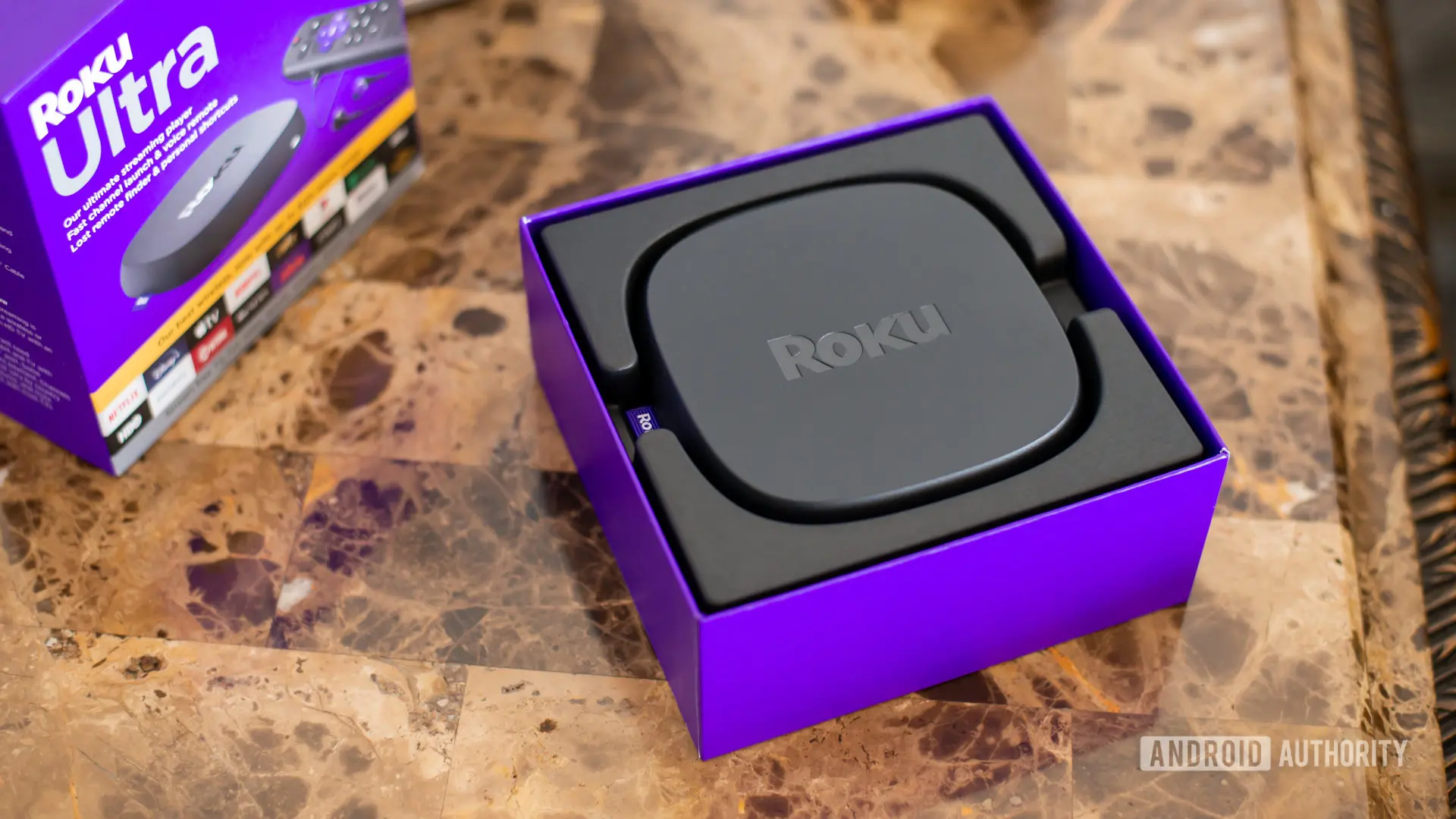
Roku, a dominant player in the streaming hardware market, has quietly implemented price increases across its current-generation lineup. The adjustments, ranging from $10 to $50 per device, represent up to a 50% jump for some models. While consumers haven't felt the pinch yet—thanks to temporary sale prices and unchanged third-party listings—the new MSRPs signal a broader trend of rising costs in consumer electronics, exacerbated by the booming AI industry's demand for memory and other components.
Price Hike Details
The price increases were first reported by The Desk and subsequently confirmed by listings on Roku's official website and various retailers. The most significant hikes hit the premium models: the Roku Ultra and the Roku Streambar SE both jumped 50%, from $99.99 to $149.99. The Roku Streaming Stick, the most affordable option, saw a 33% increase from $29.99 to $39.99. The Streaming Stick Plus and Streaming Stick 4K each rose by $20, now retailing at $59.99 and $79.99, respectively.
Affected Models in Detail
Roku's streaming device lineup includes several distinct products designed for different needs and budgets. The Roku Ultra is the flagship model, offering support for 4K, HDR, Dolby Vision, and a wired Ethernet port. Its price increase from $99.99 to $149.99 places it in direct competition with high-end devices like Apple TV 4K. The Roku Streambar SE, a combination streaming player and soundbar, also saw a steep hike to $149.99. Meanwhile, the entry-level Streaming Stick—a simple HD-only device—now costs $39.99, narrowing the gap with the more capable Streaming Stick Plus ($59.99) and Streaming Stick 4K ($79.99).
Impact on Consumers
As of this writing, consumers can still purchase many of these devices at their previous sticker prices. Roku's own online storefront is running a “Limited time offer” that matches the older MSRPs. Third-party retailers like Amazon and Walmart have not yet adjusted their prices, likely to clear existing inventory. This gradual rollout suggests Roku is trying to minimize immediate backlash while preparing for a permanent price floor. However, once current offers expire and old stock is sold, buyers will face higher costs.
Reasons Behind the Increases
Component Costs and AI Demand
Roku is not alone in raising prices. The consumer electronics industry has been grappling with rising component costs for over a year, driven largely by unprecedented demand for memory chips and other hardware from the AI sector. Companies like NVIDIA, AMD, and others have consumed massive amounts of memory bandwidth, pushing up prices for DRAM and NAND flash. This has impacted everything from smartphones to streaming devices. Apple, Samsung, Valve, and Nintendo have all implemented price increases on their hardware in 2026. For Roku, which relies on custom chips and memory modules, these cost pressures have become unsustainable.
The global semiconductor supply chain, still recovering from pandemic-era disruptions, now faces new strain from AI data center buildouts. Memory makers such as Samsung, Micron, and SK Hynix have shifted production to high-bandwidth memory (HBM) for AI accelerators, reducing supply for consumer-grade components. This supply-demand imbalance has led to price hikes across the board.
Fox Acquisition
In June 2026, Fox Corporation announced its acquisition of Roku for $22 billion in a mix of cash and stock. The deal, expected to close later this year, has raised questions about Roku's future pricing strategy. Fox, a media conglomerate, may use Roku as a platform to push its own streaming services, potentially bundling subscriptions or creating exclusive content. The price increase could be a preliminary move to boost revenue ahead of the acquisition, or part of a broader strategy to align Roku's hardware margins with industry standards.
Market Context
The streaming hardware market has matured rapidly over the past decade. Roku, Amazon Fire TV, Google Chromecast, and Apple TV dominate the space, each with different price points and features. Roku's appeal has historically been its simple interface, wide channel selection, and affordable pricing. With these increases, the gap between Roku and competitors narrows. For instance, the latest Amazon Fire TV Stick 4K Max retails for around $54.99, while the Chromecast with Google TV 4K is $49.99. Apple TV 4K starts at $129.99. Roku's new MSRPs for the Ultra and 4K stick put it closer to the premium end of the spectrum.
However, Roku's strength lies in its advertising and subscription revenue model, not just hardware sales. The company generates significant income from the Roku Channel, ad placements, and revenue sharing with streaming services. This allows Roku to subsidize hardware costs during sales or promotions. The MSRP increases might be a way to capture more upfront revenue while maintaining promotional flexibility.
Historical Pricing
Roku has adjusted prices before, but rarely this dramatically. In 2023, the company cut prices on some models to remain competitive. The shift from price cuts to price increases reflects the changing economic landscape. With inflation cooling but component costs still high, manufacturers are seeking margin protection. Roku's move also signals confidence in its brand loyalty—users who value the Roku OS often stick with the ecosystem despite higher prices.
Future Outlook
It remains to be seen whether the new MSRPs will stick or whether competition will force Roku to reconsider. Competitors like Amazon and Google have deep pockets and can absorb temporary cost increases. Roku, now under Fox, may have more leverage to invest in marketing and hardware improvements. The acquisition could also lead to new bundled services or even free hardware with long-term subscription commitments.
For now, consumers should take advantage of current deals before prices normalize. Budget-conscious buyers might consider older-generation models or refurbished units. The streaming hardware landscape is evolving rapidly, and these price increases might be just the beginning of a larger shift toward higher-cost, higher-margin devices. As the AI industry continues to consume resources, every consumer electronics product—from the cheapest streaming stick to the most advanced gaming console—will feel the pressure.
Source:Android Authority News