

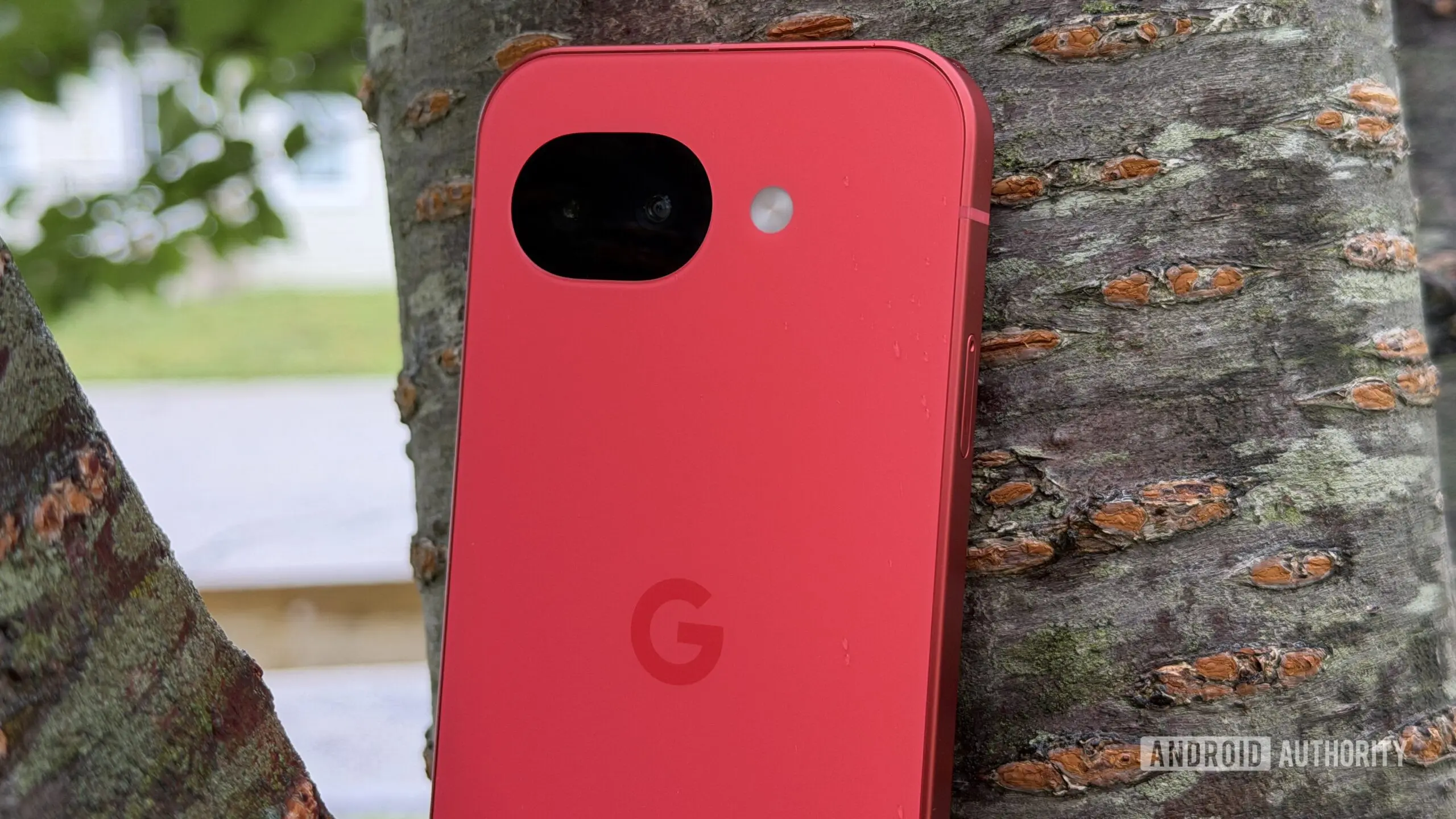
With Samsung Unpacked now officially behind us, the tech world is turning its attention to the Made By Google event scheduled for August 12. At that event, Google is expected to unveil the Pixel 11 series, which has already leaked extensively, including pricing details. If you were hoping for a price freeze, the news is not good: the most affordable Pixel 11 model is rumored to start at $899, up from the Pixel 10's $799. And now, a Google executive has publicly confirmed that price adjustments are indeed coming.
Google VP confirms dynamic pricing
Shakil Barkat, Google's Vice President of Devices and Services, spoke with 9to5Google about the company's hardware strategy, including pricing. While Barkat did not disclose specific figures, he acknowledged that Google has been absorbing recent spikes in memory prices but that this is not sustainable long-term. He stated that "adjustments" will be rolled out "dynamically to match supply realities." This directly confirms that the Pixel 11 series will cost more than previous generations.
The timing of this interview, just weeks before the official announcement, suggests that Google is preparing consumers for higher prices. The leaked starting price of $899 for the base Pixel 11 model now seems all but certain. Barkat's comments also indicate that this is not a one-time increase but rather a flexible pricing model that could fluctuate based on market conditions, such as RAM and component costs.
Pixel 10a likely affected
Perhaps even more concerning for budget-conscious buyers is Barkat's hint that "in-market Pixel phones" will also see price adjustments. This strongly suggests that the Pixel 10a, currently priced at $499, may receive a price increase in the near future. The Pixel 10a was launched earlier this year as an affordable option, but if RAM prices continue to rise, Google may need to pass those costs on to consumers even for mid-range devices.
Barkat was careful to note that Google still plans to incentivize purchases through trade-in programs, promotional discounts, and bundle deals. This means that while the upfront cost may be higher, savvy shoppers may still find ways to get a good deal. For example, trading in an older Pixel device could significantly reduce the out-of-pocket expense.
Memory price spikes driving the change
The root cause of these price hikes is the soaring cost of RAM and other memory components. The global semiconductor market has faced volatility for several years, but recent demand for AI and cloud computing has further strained supply. Memory chips, in particular, have seen steep price increases due to manufacturing constraints and high demand from data centers and consumer electronics.
Google's Pixel line has traditionally offered competitive pricing relative to rivals like Apple and Samsung, but the company cannot indefinitely absorb these rising costs. Barkat explained that Google is working on making Android more memory efficient to reduce the amount of RAM needed for smooth performance. However, hardware costs will still play a major role in determining final retail prices.
What does this mean for consumers?
For those planning to buy a Pixel 11, the expected $100 increase over the Pixel 10's base price may be disappointing, but it still positions the Pixel as a value option compared to flagship phones from other manufacturers. The iPhone 16 Pro starts at $999, and Samsung's Galaxy S25 is expected around $799, but with less RAM and storage in the base model. Google's Pixel lineup has always emphasized software features and camera quality, which may still justify the higher cost.
Additionally, Google's commitment to trade-in deals and promotions could soften the blow. Historically, Pixel launch events have included attractive offers, such as free storage upgrades or discounted accessories. Barkat's assurance that these programs will continue suggests that the effective cost to consumers may be lower than the sticker price.
Android memory efficiency as a long-term solution
One positive takeaway from the interview is Google's focus on optimizing Android to use memory more efficiently. This is a challenging technical endeavor, as Android already manages memory dynamically through the Linux kernel. However, with the rise of AI features and multitasking, memory demands are increasing. By improving how Android handles background processes, caches data, and allocates resources, Google may be able to reduce the amount of RAM needed in future devices, potentially lowering costs down the line.
This optimization could benefit not just Pixel phones but all Android devices, as the improvements would likely roll out through future system updates. For consumers, this means that even if hardware prices stay high, software efficiency can help ensure a smooth experience with less memory.
In the meantime, those looking for a new Pixel phone may want to consider waiting for launch-day trade-in deals or purchasing a Pixel 10 model while they are still available at lower prices. The Pixel 10's performance remains excellent, and with Google's guaranteed software updates, it will continue to receive new features for years to come. Analysts suggest that once the Pixel 11 is announced, remaining stock of the Pixel 10 may see price reductions, making it an even better value.
Ultimately, the news of price hikes is a reality that consumers will have to navigate. Google's transparent communication about the reasons behind these adjustments is a step in the right direction, and the continued availability of promotional offers provides some relief. As the August 12 event approaches, more details about exact pricing and trade-in values will emerge. For now, potential buyers should prepare for a slightly higher investment in the latest Pixel technology.
Source:Android Authority News