

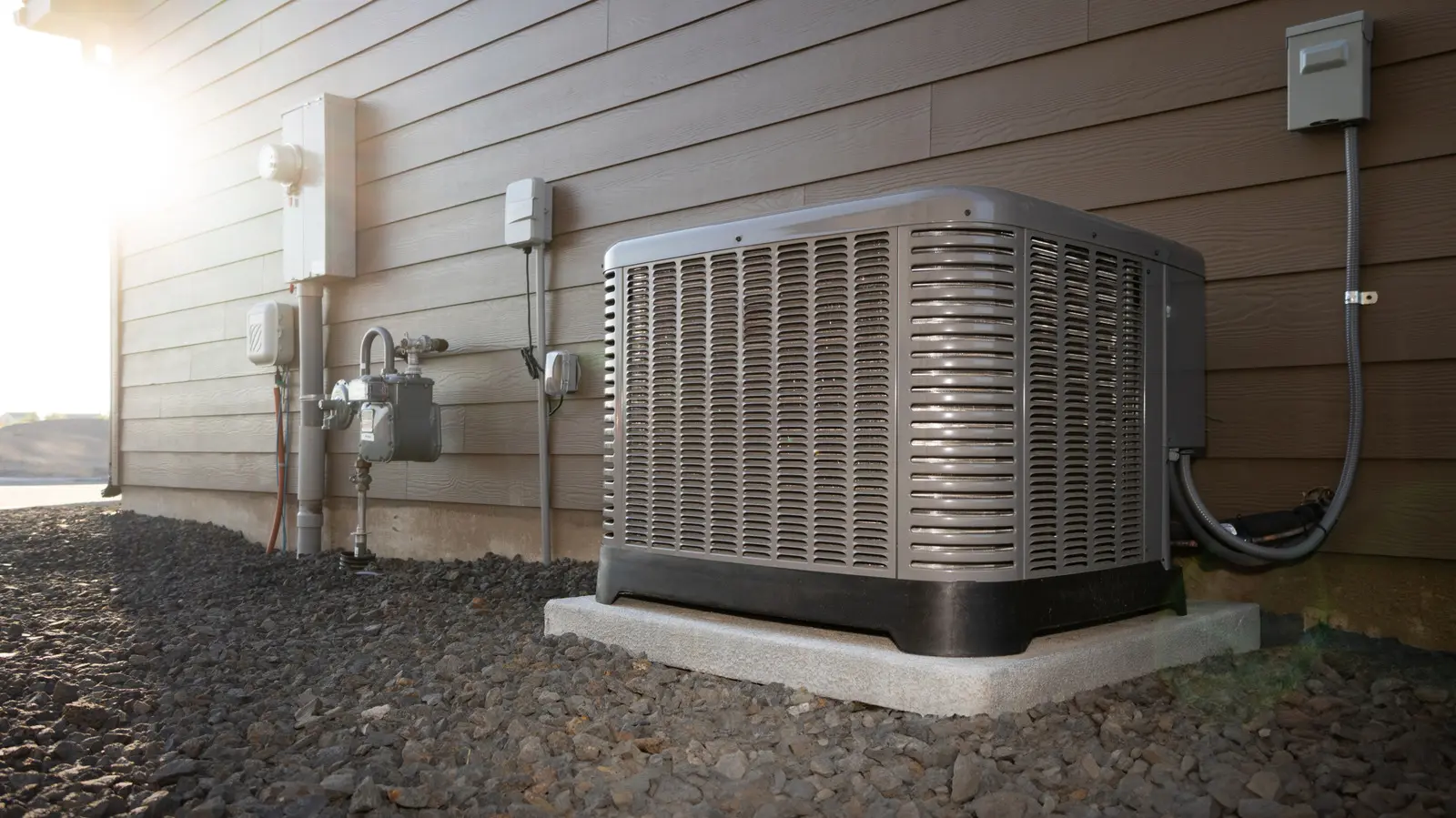
Few things are more precious to homeowners than a functional HVAC unit. That's particularly true when temperatures rise in the summer, and the air conditioner is all that stands between them and sweltering, sleepless nights. Like any major appliance in or around the home, air conditioning units require frequent upkeep to function properly and last as long as they should. This is true whether they are part of a central HVAC system, a window unit, or a portable air conditioner. One of the most critical yet often overlooked maintenance tasks is cleaning the unit's coils.
Air conditioning units feature two types of coils: evaporators and condensers. Evaporator coils are located inside the indoor unit, where they absorb heat from the air. Condenser coils are in the outdoor unit, where they release that heat to the outside. Both are typically made of copper or aluminum and are prone to collecting dust, dirt, pollen, and other debris. Over time, this buildup acts as an insulator, reducing the system's ability to transfer heat. The result is reduced cooling capacity, increased wear on the compressor, and higher energy bills. In severe cases, dirty coils can cause the system to freeze up or fail completely.
Cleaning the coils is something most homeowners can do themselves with basic tools and a little care. However, if you are not comfortable working with electrical components or accessing the coils, it is always wise to call an HVAC professional. The task requires turning off the power to the unit at the breaker (not just the thermostat) to avoid injury. After that, you will remove the outer covers of the outdoor condenser unit. Use a soft-bristle brush or a shop vacuum with a brush attachment to gently remove loose debris from the coils. Be careful not to bend the thin aluminum fins that surround the coils. If you do find bent fins, you can straighten them with a fin comb, a specialized tool available at hardware stores.
Once the loose debris is removed, apply an approved coil cleaner. These are available as aerosols or foaming sprays and are designed to break down oil, dirt, and other contaminants. Follow the manufacturer's instructions for dwell time—usually a few minutes. Then, gently rinse the coils with a garden hose using a spray nozzle set to a gentle stream. Avoid using a pressure washer, as the high pressure can damage the fins. For indoor evaporator coils or window units, use a spray bottle instead of a hose. Allow the coils to dry completely before restoring power and turning the unit back on.
How Often to Clean Your A/C Coils
The standard recommendation is to clean your air conditioner coils at least once a year, ideally in the spring before the cooling season begins. However, the frequency depends on your location and environment. In coastal areas, salt spray can accelerate corrosion, so biannual cleanings are often recommended. Similarly, in desert regions, dust and sand can quickly accumulate, requiring more frequent attention. If you live near a construction site, have pets that shed fur, or have trees that drop leaves and pollen near the outdoor unit, you may need to clean the coils every few months. Regular visual inspections can help you determine the ideal schedule. If the coils appear dirty when you check them, it is time to clean them.
Beyond the annual schedule, there are several signs that your A/C coils need immediate cleaning. One of the most obvious is reduced airflow. If you notice that the air coming from your vents is weaker than usual, or if the unit seems to run constantly without cooling the space effectively, dirty coils are a likely culprit. Another sign is warm air blowing from the vents when the system is set to cool. This indicates that the condenser coils cannot release heat properly, causing the system to struggle. You may also hear the unit working harder, cycling on and off frequently, or making unusual noises from the compressor.
Increased energy bills are another clue. When coils are dirty, the system has to run longer and work harder to reach the set temperature. The U.S. Department of Energy estimates that dirty coils can reduce efficiency by up to 30%. Over a season, that adds up to significant extra cost. Additionally, if you see ice forming on the coils or the refrigerant lines, it is a strong indicator of restricted airflow, often due to dirty coils. Finally, a musty or foul odor coming from the unit can signal mold or mildew growth on wet coils, which also requires cleaning and possibly professional remediation.
Step-by-Step Cleaning for Condenser Coils
Cleaning the outdoor condenser coils is the most common DIY task. Before starting, gather your supplies: screwdriver, soft-bristle brush, fin comb, coil cleaner, garden hose with spray nozzle, gloves, and safety glasses. First, turn off the power to the unit at the breaker panel. Remove the outer metal grille or fan cage. You may need to unscrew several bolts. Carefully lift off the grille, being mindful of the fan blades. Use a shop vacuum or a brush to remove leaves, grass clippings, and other debris from the inside of the unit. Then, brush the coils gently in a vertical motion—avoid horizontal brushing as it can bend the fins. Straighten any bent fins with the fin comb, working from top to bottom.
Apply the coil cleaner evenly over the coils. The cleaner will foam and lift dirt. Let it sit for the time specified on the label, typically 5-10 minutes. Then, rinse from top to bottom with a gentle stream of water from the hose. Do not use a high-pressure nozzle. Ensure the water runs off without pooling. If the cleaner does not rinse away completely, it can leave a residue that attracts more dirt. After rinsing, let the coils air dry. While they are drying, you can inspect the fan blade and motor, and clean the area around the unit. Once everything is dry, replace the grille and restore power.
Cleaning Evaporator Coils and Window Units
Indoor evaporator coils are typically located in the air handler, which is often in an attic, basement, or closet. Accessing them can be more challenging and may require removing panels and potentially the blower assembly. For a central system, it is often best to hire a professional to avoid damaging the coils or ductwork. However, if you are comfortable, the process is similar: turn off power, remove access panels, brush gently, apply cleaner, rinse with a spray bottle, and allow to dry. For window units, the coils are accessible after removing the front cover. You can clean them with a brush and vacuum, then use a coil cleaner spray. Rinse with a spray bottle and let dry before reassembling.
Portable air conditioners also have evaporator and condenser coils, but they are housed in a single unit. Cleaning them usually involves removing the rear grille and accessing the coils directly. Follow the same gentle brushing and spraying method. Always check the owner's manual for specific instructions, as some units have self-cleaning features or require special care.
The Benefits of Regular Coil Cleaning
Beyond immediate cooling performance, regular coil cleaning extends the life of your air conditioner. A clean system does not have to work as hard, reducing strain on the compressor and other components. This can prevent costly repairs and premature replacement. Clean coils also improve indoor air quality by reducing the amount of dust and allergens that can be drawn into the system and circulated throughout your home. Additionally, maintaining clean coils helps keep your warranty valid, as many manufacturers require routine maintenance. Finally, an efficient system uses less energy, which lowers your carbon footprint and saves money on utility bills. According to the U.S. Department of Energy, cleaning coils can improve efficiency by up to 30%, translating to noticeable savings over the cooling season.
While DIY cleaning is effective, there are situations where professional service is warranted. If you find heavy corrosion, mold growth, or signs of refrigerant leaks, call an HVAC technician. Professionals have specialized tools, such as commercial-grade coil cleaners and pressure washers with controlled pressure settings. They can also inspect the system for other issues, such as refrigerant levels, electrical connections, and fan motor health. An annual professional tune-up typically includes coil cleaning, and many companies offer seasonal maintenance plans. The cost is often offset by the energy savings and reduced risk of breakdowns.
In conclusion (though we avoid using that phrase), maintaining clean coils is a simple yet powerful way to ensure your air conditioner runs efficiently, saves money, and provides reliable cooling. By following the steps outlined and cleaning at least once a year—or more often in harsh environments—you can keep your system in top shape. Pay attention to the signs that indicate dirty coils, and do not hesitate to call a professional if the job seems too complex. A little effort now can prevent a lot of discomfort and expense later.
Source:SlashGear News