

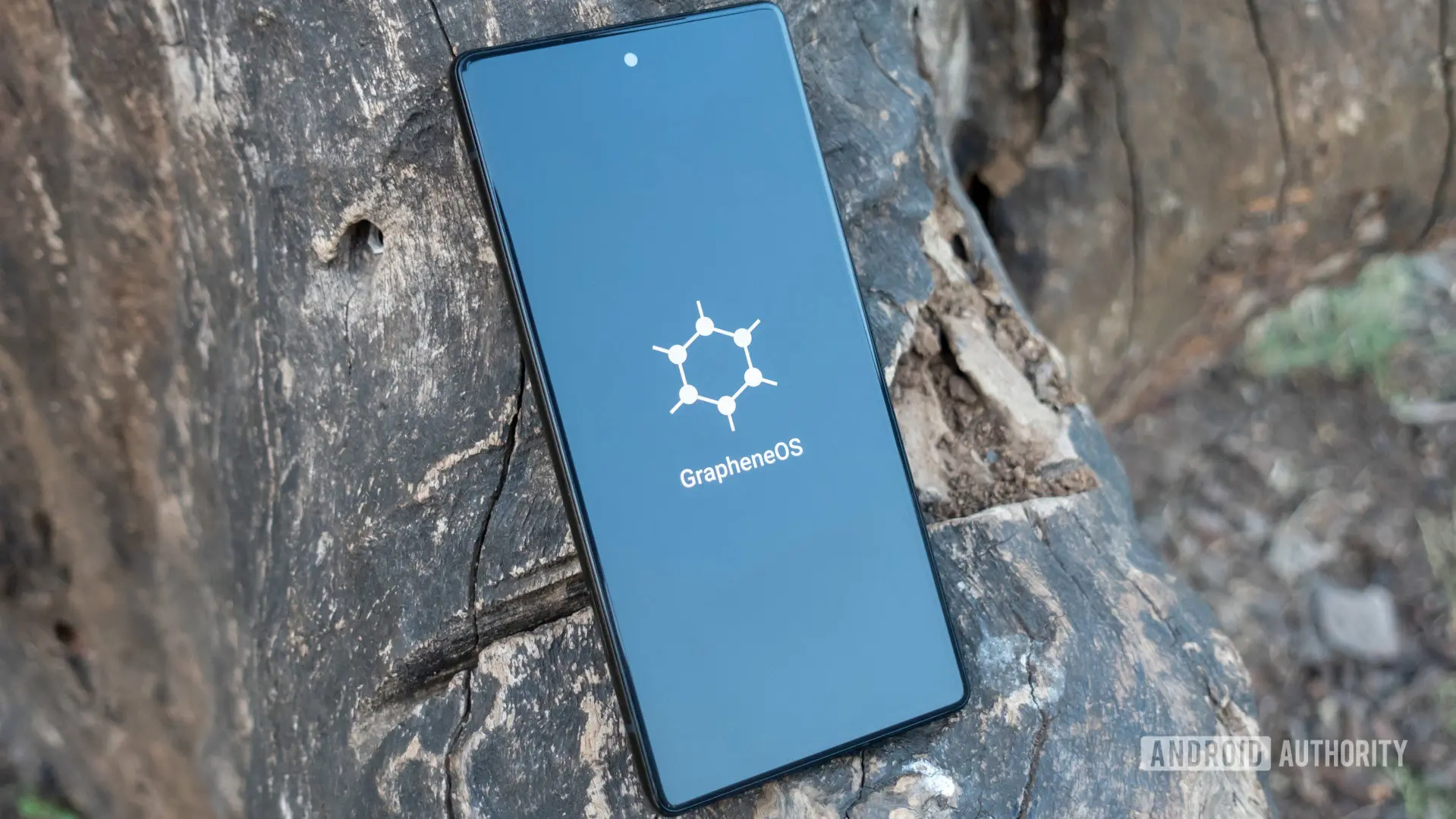
A groundbreaking legal case in the United States is testing the boundaries of digital privacy and security features on smartphones. Samuel Tunick, a resident of Atlanta, Georgia, faces prosecution after border agents at Hartsfield-Jackson Atlanta International Airport demanded access to his Google Pixel phone. Tunick allegedly entered a GrapheneOS duress PIN, which irreversibly wiped the device instead of unlocking it. The Department of Justice has charged him under a federal law that covers destruction of property to prevent government seizure, marking the first known prosecution involving the use of a duress PIN feature.
What is GrapheneOS and the Duress PIN?
GrapheneOS is an open-source Android-based operating system that prioritizes privacy and security. It offers a variety of advanced features for users concerned about surveillance, data collection, and forced access to their devices. One of its most controversial tools is the duress PIN. This feature allows users to set a secondary PIN or password that, when entered, appears to function like a normal authentication code but actually triggers a factory reset, wiping all data from the device. The design ensures no visual or audible confirmation that the device is being erased, making it indistinguishable from a regular unlock attempt to an observer.
The duress PIN is intended for situations where a user is forced to unlock their phone under threat, such as during a mugging, kidnapping, or unlawful detention. It provides a plausible deniability mechanism: the user can comply with the demand while simultaneously destroying sensitive information. However, its use around law enforcement—especially at border checkpoints where agents have broad search authority—creates a legal gray area. The case against Tunick illustrates the potential consequences of employing such a feature in contexts governed by seizure and evidence laws.
The Incident at Hartsfield-Jackson Atlanta Airport
According to court documents, Samuel Tunick was returning from a trip to the Dominican Republic in January 2025 when he was stopped by U.S. Customs and Border Protection (CBP) officers at Atlanta's airport. Agents requested access to his Google Pixel smartphone, and Tunick was reportedly told that a warrant was not required for a border search. After he allegedly entered a passcode, the screen went blank, flashed several times, and the device appeared to restart. Investigators later determined that the phone had been wiped using the GrapheneOS duress PIN, effectively erasing all data.
Tunick's legal team argues that the search was unconstitutional. They claim he was not read his Miranda rights before questioning, and that agents repeatedly refused his requests to speak with an attorney. The defense also contends that the phone search was an unreasonable seizure under the Fourth Amendment. Moreover, Tunick's lawyers assert that questions about child sexual abuse material were a pretext to investigate his alleged connections to the movement opposing Atlanta's planned police training center, known as Cop City. This context adds a layer of potential politically motivated targeting to the case.
Legal Charges and Arguments
The indictment charges Tunick with violating 18 U.S.C. § 2232, a federal statute that prohibits the destruction of property to prevent its seizure by the government. Specifically, the law makes it a crime to destroy or remove property that is subject to forfeiture or seizure, with the intent to prevent the government from taking control. The prosecution argues that by using the duress PIN, Tunick knowingly deleted the phone's digital contents to thwart the border agents' search.
This interpretation of the law is novel. Digital privacy experts interviewed by The Guardian note that they have not seen a similar case brought over the use of a duress PIN or analogous security features. The case forces the court to grapple with whether a user's decision to wipe their own device—even if done while in government custody—constitutes destruction of property in the legal sense. The defendant's team maintains that the phone was not seized at the time the PIN was entered, and that the wipe was a lawful exercise of control over personal property.
A judge is not expected to rule on the motion to suppress evidence until at least late October 2026. Until then, the case will be closely watched by civil liberties organizations, cybersecurity experts, and advocates for digital privacy rights.
Broader Implications for Digital Privacy
The outcome of this case could have far-reaching consequences for how privacy features like duress PINs are perceived and regulated. If the court finds Tunick guilty, it may deter users from employing such mechanisms, especially when traveling or interacting with law enforcement. Conversely, if the charges are dismissed or the evidence is thrown out, it could reinforce the right to secure personal data even in high-pressure situations.
Border searches occupy a unique legal space where the Fourth Amendment's warrant requirement is often relaxed. Courts have generally upheld that CBP officers have broad authority to inspect electronic devices without probable cause, though recent rulings have begun to impose limits. The Supreme Court has not directly addressed the use of encryption or security features that can destroy data upon entry. This case might prompt legislative or judicial clarification.
GrapheneOS itself has faced scrutiny for promoting features that could be used to evade law enforcement. However, the operating system's developers emphasize that the duress PIN is designed for genuine emergencies, not to obstruct justice. The line between protection from coercion and obstruction of investigation is thin and fact-dependent.
Other security tools, such as remote wipe features in iOS and Android, have been legally challenged in different contexts. For instance, employers wiping devices remotely after an employee's termination have been sued for spoliation of evidence. The Tunick case brings this issue to the forefront in a criminal prosecution, potentially establishing a benchmark for how similar technologies are treated under federal law.
Privacy advocates worry that a conviction could chill innovation in security software. If using a duress PIN becomes a criminal act when done in proximity to government agents, it undermines the very purpose of the feature—protecting individuals from forced disclosure. The case also raises questions about the burden of proof: must the government demonstrate that the user knew the device would be seized at the moment of wiping? Or does the mere existence of the emergency wipe function create legal risk?
As the legal proceedings unfold, the technical nuances of GrapheneOS will likely be dissected. Was the duress PIN configured by Tunick himself? Did he set it up specifically for travel or long before? Could the agents have attempted to unlock the phone and inadvertently triggered the wipe? These details may affect the court's view of intent.
Beyond the courtroom, the case has sparked debate among digital rights activists. The American Civil Liberties Union (ACLU) has filed amicus briefs in similar cases opposing warrantless border searches of phones. The Electronic Frontier Foundation (EFF) has also weighed in, arguing that individuals should have the right to protect their data without fear of prosecution for using built-in security features.
Another hypothetical scenario has emerged: what if a user writes the duress PIN on the back of their phone, and officers assume it is the correct code? Is that destruction of evidence? The current case does not address that exact scenario, but it underscores the complexity of merging security design with legal compliance.
The Tunick case is not just about one man's Pixel phone; it is a test of whether privacy technologies that empower individuals can coexist with laws designed to preserve evidence. As judges and lawmakers watch, the outcome will likely influence product design, user behavior, and law enforcement training for years to come.
Source:Android Authority News