

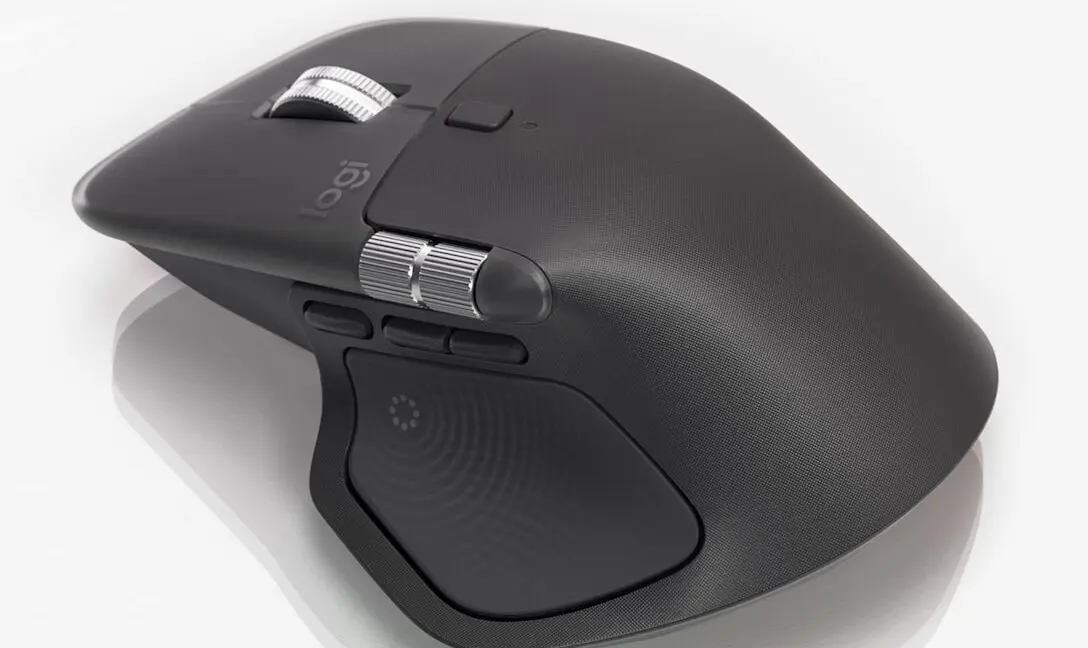
Logitech is the latest major hardware company to face legal pressure over the money it collected from American consumers following a now-invalidated tariff program. A proposed class action lawsuit, filed this week in the U.S. District Court for the Northern District of California, accuses Logitech of refusing to share the tariff refunds it obtained from the federal government with the customers who paid inflated prices for its mice and other peripherals.
The plaintiffs in the case are SJK Development, a California construction and housing builder, and California resident Ala Awadalla. Both purchased Logitech mice during the period when the company had increased prices to offset the cost of tariffs imposed under the International Emergency Economic Powers Act, or IEEPA. The lawsuit says those tariffs have since been declared unlawful by the U.S. Supreme Court. It asks the court to force Logitech to return the money it collected as tariff-justified overcharges.
What the lawsuit says
Logitech raised prices on 51 percent of its product portfolio in April 2025. Some prices rose by as much as 25 percent, according to the complaint. That pricing move was not announced to consumers. The complaint also says Logitech executives repeatedly told investors that the price increases would offset, or already had offset, the financial impact of the tariffs.
The lawsuit seeks to recover the additional money Logitech collected from American buyers after those price increases. The filing argues that because the Supreme Court later ruled the tariffs unlawful, Logitech is not entitled to keep both the customer-facing price increases and the government refunds it received for the duties. In the complaint, the plaintiffs say they would have paid less for the same products if Logitech had not inflated its prices in the name of the unlawful IEEPA tariffs. They say they have received no refund, credit, or other compensation corresponding to the tariff component of the purchase price.
Logitech had not filed a response to the lawsuit at the time this article was written.
How the tariffs became a legal problem
The case centers on a rarely used area of executive power. IEEPA grants the president wide authority to regulate international economic transactions during a national emergency. In 2025, the Trump administration relied on that statute to impose broad import tariffs on goods from many countries, including major manufacturing centers for computer accessories. The tariffs were designed to encourage domestic production, but their immediate effect on many tech companies was a sharp rise in the cost of importing finished products and components.
Logitech, which makes its products in Asia but sells through global supply chains, had to decide how much of that additional cost it could absorb and how much it would pass on to consumers. The company chose to raise prices on a large slice of its lineup in April 2025. That decision allowed Logitech to protect its margins, but it also created the basis for the current class action.
What executives said
The complaint cites specific statements Logitech officials made to Wall Street. In a May earnings call, Chief Financial Officer Matteo Anversa described the impact of price increases in unusually direct terms. He said, “The positive impact of the US price actions and favorable foreign exchange more than offset the impact of tariffs and higher promotions.” Anversa made that comment while discussing what he described as one of the most profitable quarters in Logitech history. Those words are now central to the plaintiffs’ argument that the company itself tied its price increases to tariffs and therefore should not be allowed to keep double payment.
The complaint also notes Logitech did not issue a public announcement about the price increases. The company only explained the pricing strategy during investor events, where the emphasis was on its positive financial effects.
The Supreme Court ruling and the $61 million refund
In February, the U.S. Supreme Court ruled that the administration had overstepped its authority under IEEPA when it imposed the tariffs. The decision invalidated the tariff program, and the federal government began the process of refunding the duties that had been paid. According to the complaint, Logitech received a full refund of $61 million, including $15 million during the first quarter of fiscal year 2027 and $46 million after the quarter ended.
The complaint argues that Logitech has been enriched twice: first by the tariff-justified price hikes collected from consumers and again by the government refund. The plaintiffs’ theory is that Logitech should not be permitted to profit from a regulatory action that was later found to be illegal, especially when the price increases were represented as a pass-through tariff cost.
Similar lawsuits against other tech companies
Logitech is far from the only company facing this kind of claim. Microsoft, Nintendo, and Sony have all been named in tariff-related refund lawsuits brought by customers. Each of those companies also received refunds for duties on imported hardware and had raised prices or warned about tariff costs. The courts will now have to decide whether those companies owe their customers a share of the refund money.
Nintendo has pushed back forcefully. The company argued in court filings that customers received exactly what they paid for and that there is nothing unjust about Nintendo retaining money it may receive from the government as tariff refunds. Nintendo also moved to compel arbitration, citing the arbitration clause in its end-user agreement. Logitech will likely consider the same tactic. Logitech’s own end-user license agreement includes arbitration provisions, and a successful motion to compel arbitration could derail the class action before it reaches a jury.
Potential defenses and broader impact
Logitech has several possible paths forward if it chooses to fight the lawsuit. The company could argue that its prices are set based on many factors, including raw material costs, currency exchange rates, supply chain expenses, and market demand. Even if tariffs were a reason for the April 2025 increase, Logitech might say that consumers received the products they paid for and that there is no legal obligation to refund customers after a trade policy reversal. The company may also argue that the money received from the government is a reimbursement of duties Logitech paid as an importer, not a payment belonging to customers.
Consumer lawyers, however, will likely point to the language used by Logitech’s own management. When a company says that a price increase offset a tariff, it sends a signal that the increase and the tariff are linked. A judge could decide that keeping the refund after the tariff is invalidated would constitute unjust enrichment.
The issue, however, is not yet clear in the law. Tariff refund cases are still rare, and courts have only recently begun to work through the legal implications of the Supreme Court’s decision. Class action lawyers are competing to bring these claims in different jurisdictions, and the cases may ultimately be consolidated or transferred. One major question is whether U.S. consumers can demand that companies pass along tariff refunds when the refund is paid to the importer of record, which is usually the company itself, not the end buyer.
For now, the Logitech case remains in the earliest stage. The plaintiffs are seeking a declaratory judgment that Logitech must hand over the IEEPA tariff refund proceeds to its customers. They also want damages and restitution for the affected class. The class has not yet been certified, and Logitech has not yet answered the complaint. The company has not commented publicly on the lawsuit beyond noting that it typically does not discuss pending litigation.
The outcome of this case, and the similar actions aimed at other tech companies, could have long-term effects on how corporations respond to trade policy changes. If a court orders Logitech to share its refunds, companies may become more cautious about telling investors that price increases are designed to offset government-imposed duties. They may instead bake tariff costs into general pricing decisions, which would make future legal disputes much harder to prove. Conversely, if the companies win, consumer advocates may press Congress to change the rules so that tariff refunds automatically flow to the people who ultimately paid the tariffs.
Source:Ars Technica News